In This Edition:
Why the Asia Pacific holds so much of the answer to COP31’s implementation test, from its share of global emissions to its lead in new renewable capacity
How reliance on fuel imports through the Strait of Hormuz has pushed countries from South Korea to Indonesia to weigh energy security against decarbonization
What Pacific Small Island Developing States (SIDS) and Nepal are asking for on adaptation finance and loss and damage as the talks open
COP31 opens in Antalya, Türkiye in just a few days – and its big challenge has already been laid down. Implementation will be the word of the day throughout this November’s conference, and with good reason. The planet is headed for a 1.5°C overshoot, and current nationally determined contributions (NDCs) won’t be enough to close the gap. And with COP31 kicking off the second Global Stocktake (GST 2.0), the Turkish-Australian joint presidency is under pressure to make good on its promise to turn what has long been dubbed a glorified talk shop into a vehicle for tangible, measurable progress on climate action. The question is whether this year’s talks can move from pledges to delivery – and one region holds much of the answer.
The Asia Pacific (APAC) sits at a peculiar juncture where industrial competitiveness meets decarbonization pressures, growing energy demand competes with import dependency and fossil fuel lock-in risks, and worsening climate disasters are met with grossly inadequate adaptation support. With the region accounting for both two-thirds of global GHG emissions and more than 70% of new renewable energy capacity since 2024, what happens in APAC has ripple effects globally, and what happens at COP31 will be no different.
In this edition, we assess how countries across the region are positioned as the GST 2.0 begins, and how the decisions they make could affect the next few decades of global climate action.
Why Asia Matters
Experts have dubbed the Asia Pacific “the most consequential region for the global energy story”, a testament to both its sheer scale and the incredibly diverse mix of energy trajectories, climate vulnerability and domestic priorities represented within it. China, undeniably the world leader in both energy production and consumption, continues to set the tone for what a global shift away from fossil fuels could look like. Industrial hubs like Japan and South Korea now serve as pilot projects for widespread, large-scale decarbonization, while South and Southeast Asian economies like Nepal, Thailand, Indonesia, and Malaysia are pursuing energy independence amid growing development needs. Over in the Pacific, large ocean states like Fiji, Tuvalu, and Vanuatu are punching above their weight in keeping issues of adaptation finance and disaster response firmly on the global agenda as warming temperatures threaten their very survival.
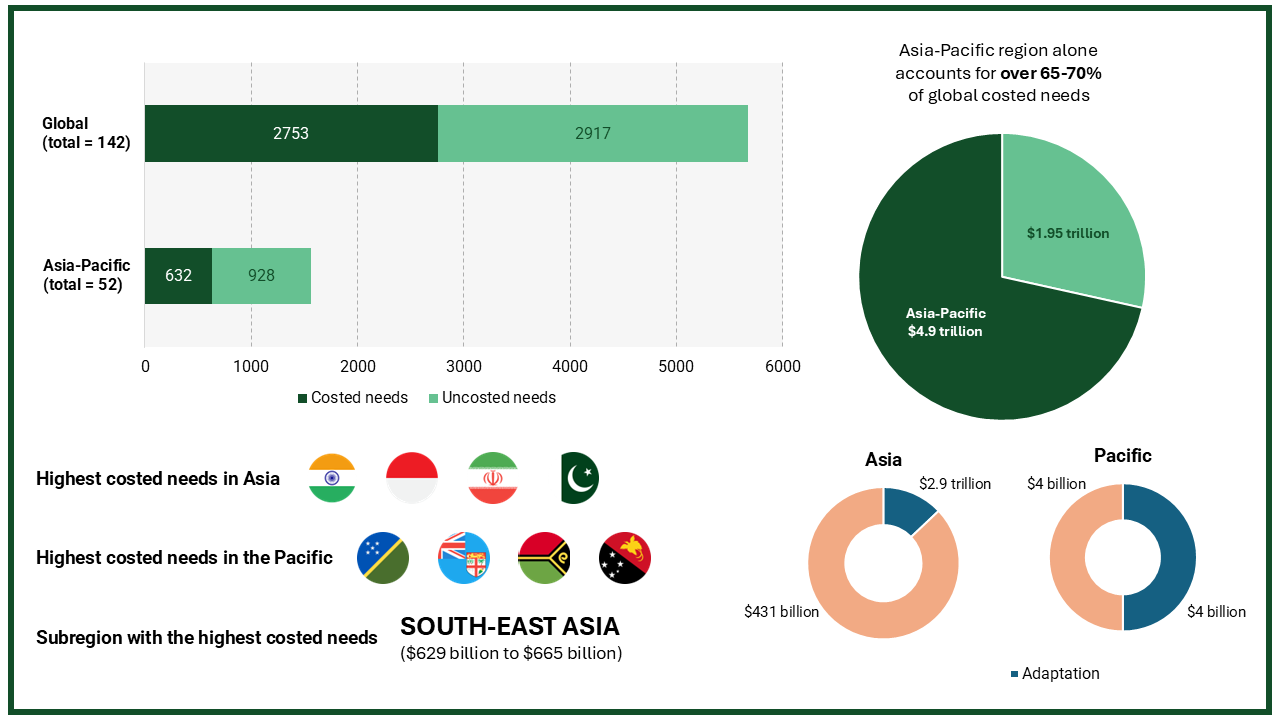
With the APAC region making up 65-70% of global costed climate-related needs, countries’ decisions made at COP31 could make or break the next decade or two of global climate action. Harnessing the region’s growing potential for a clean and just energy transition across a diverse spectrum of climate vulnerability and adaptation capacity will be one of APAC governments’ most crucial assignments.
Asia’s Fossil Fuel Addiction
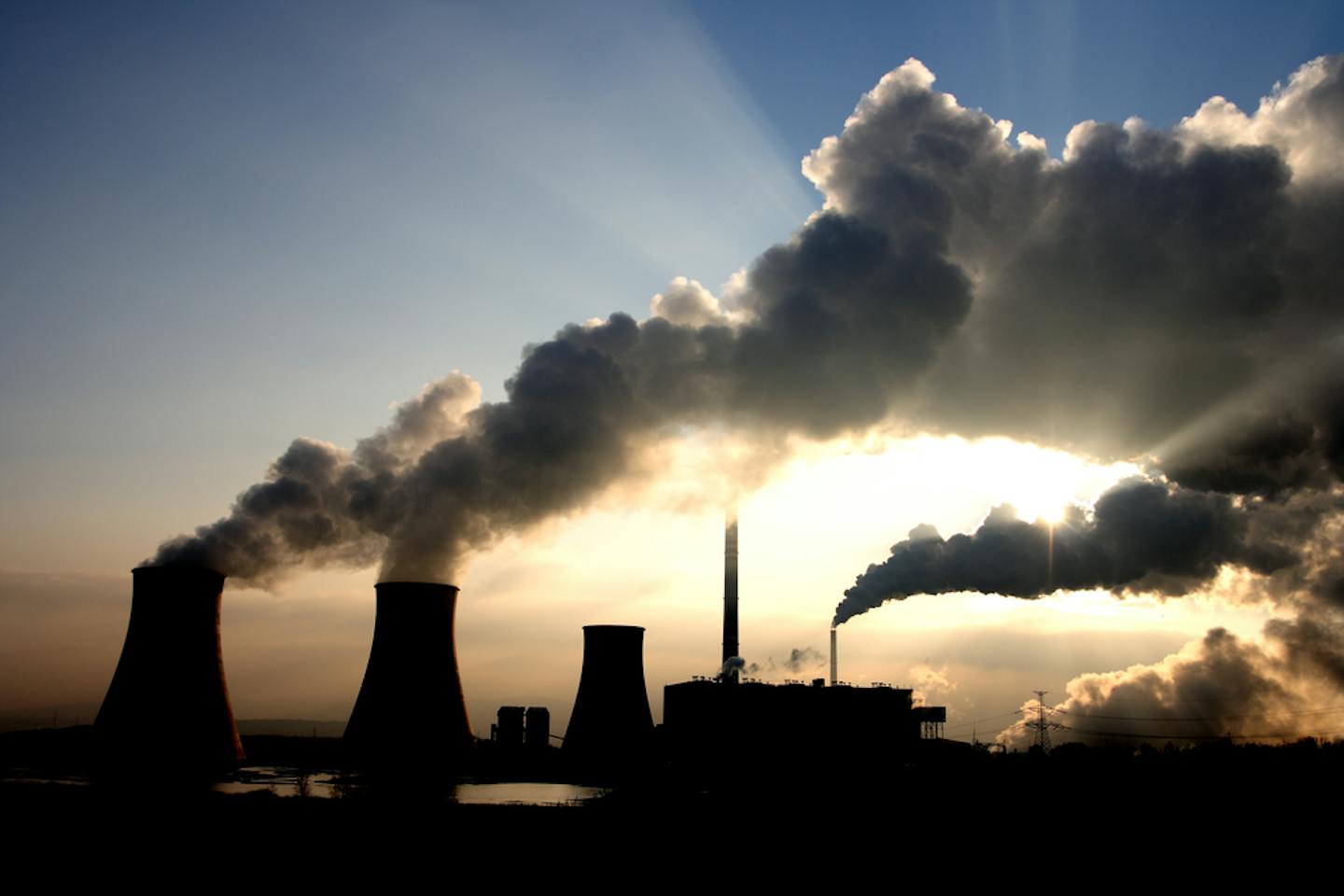
Asian economies are the destination for about 84% of the crude oil and 83% of the LNG shipped through the Strait of Hormuz, as this UN Trade and Development report finds. The region absorbed much of the resulting price shock. China paid about $35 billion for fossil fuel imports between March and August, with South Korea and Japan adding roughly $13 billion and $12 billion respectively. India, Pakistan, Bangladesh, Thailand, and Vietnam have spent a collective total of $7.4 billion on LNG since March. This heavy dependence on increasingly volatile fossil fuel imports, justified on the grounds of establishing and maintaining energy security, has left much of the region increasingly exposed to future shocks, stranded fossil fuel assets and rising public costs. In places like Indonesia and Malaysia, the search for energy independence has meant a bioenergy boom with a climate footprint far larger than stated, essentially replacing traditional fossil fuel energy sources with conveniently greenwashed “alternatives” like palm oil and woody biomass.
Countries across APAC have acknowledged and even made commitments to phase down and eventually phase out fossil fuels. Yet, the region’s major fossil fuel importers, including South Korea and Japan, have largely stayed out of the First Conference on Transitioning Away from Fossil Fuels in Santa Marta - where Asian participation came mostly from smaller economies such as Bangladesh, Vietnam, Sri Lanka, and Nepal. This absence risks shutting the region’s major players out of global discussions with outcomes that may have critical implications for their energy futures.
Industrial Competitiveness, Decarbonization Pressures and Alignment Gaps
South Korea unveiled its K-GX strategy on October 7, committing approximately $747 billion over 2026-2035 to decarbonize heavy industries like steel, petrochemical, and shipping, and targeting a pilot hydrogen-based steelmaking facility by 2030. The K-GX serves as the government’s main vehicle for turning its 2035 NDC targets, unveiled at COP30, into sector-specific reduction roadmaps - the concrete follow-through the GST 2.0 will demand.
The centerpieces of the plan for the power sector are targets of 100GW of RE capacity by 2030 and above 70% of new car sales being electric and hydrogen-run vehicles by 2035. The functionality of these centerpieces, however, depends on effective implementation. While a grid reform plan was announced in September after grid constraints delayed new solar and wind capacity, other challenges emerge as electricity demand continues to rise from advanced manufacturing and the data center boom, with clean energy infrastructure buildout falling behind. On the financing side, public banks are meeting their lending goals but the K-GX must prove that funded projects are genuinely cutting emissions and not just getting creative in terms of accounting.
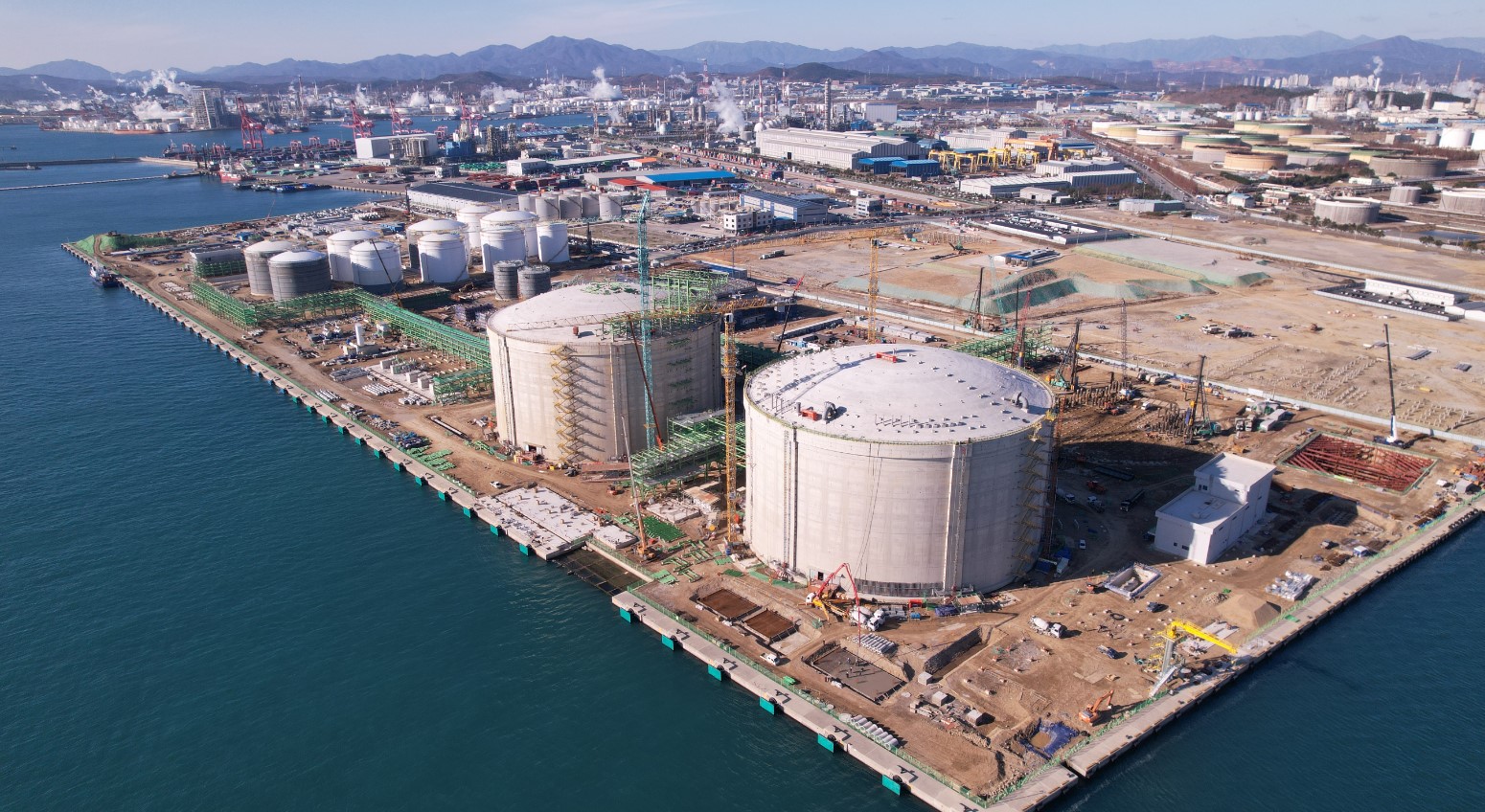
Fossil fuel phaseout is where the gap between pledge and action remains the widest. The government committed in 2025 to phase out coal power by 2040 and set its 2035 NDC targets to reduce greenhouse gas emissions from 53% to 61% by 2035 compared to 2018 levels, and K-GX promises a roadmap for the transition. Yet, South Korea remains one of the world’s largest importers of LNG, coal and oil, with LNG expansion still tied very closely to the country’s energy security narrative despite a predicted decline in demand. As governments prepare to implement the outcomes of GST 1, South Korea’s credibility will depend on connecting its industrial transformation and renewable energy targets to a clear and funded path away from fossil fuels.
Japan faces similar implementation challenges, though its approach to energy security has taken a different turn. The country’s response to disruptions around the Strait of Hormuz shows how quickly energy supply concerns can complicate decarbonization. The government temporarily lifted restrictions on less-efficient coal plants to conserve LNG. There has also been a agreement with Malaysia’s PETRONAS to cooperate on emergency LNG supplies, reflecting how regional partnerships are becoming part of the response to energy insecurity while deepening import and fossil fuel dependency.
While these measures address immediate supply risks, the long-term uncertainty remains whether the push for increased energy security will drive a faster transition to clean energy or lock in a continued reliance on fossil fuels. Japan’s 2035 NDC targets a 60% emissions reduction from 2013 levels, yet this ambition is considered insufficient for a 1.5°C-aligned pathway. Japan’s challenge, then, is to connect its climate commitments with investments that reduce exposure to imported fuels, instead of extending its reliance on coal and LNG.
A Rock and a Hard Place: Southeast Asia’s Balancing Act
The climate debate has become especially consequential in Southeast Asia, where growing volatility has exposed the costs of a fossil fuel import-reliant approach to development and energy security. Experts warn that rising LNG dependence could deepen the region’s exposure to global price shocks as states look to gas to meet growing energy demand. Thus, the region faces a complex challenge of securing reliable, affordable energy supplies while building power systems able to withstand future disruptions. When gas becomes expensive, some countries turn to coal even as renewable energy investment continues, highlighting the tension between short-term supply security and long-term decarbonization.
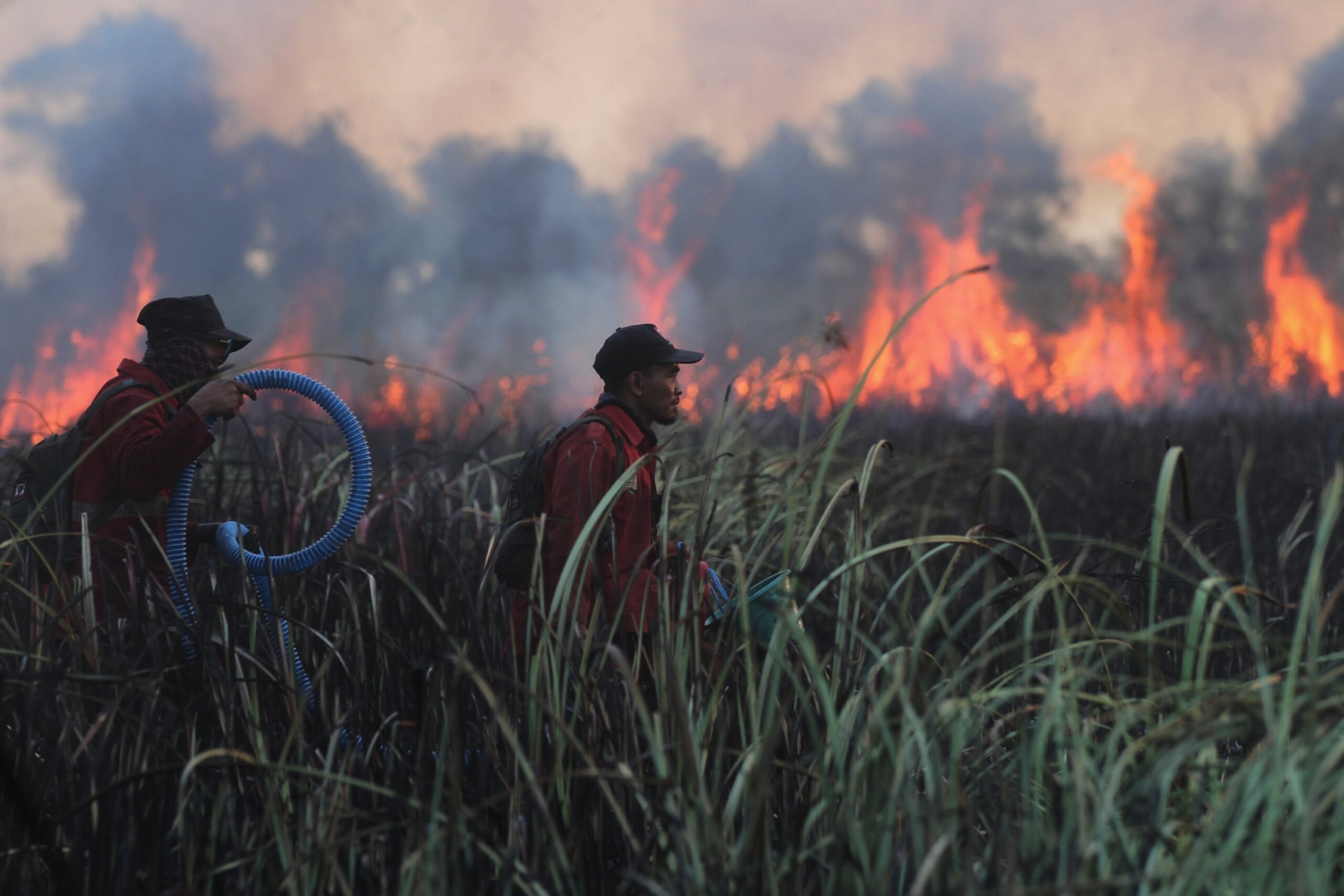
Indonesia’s energy policy exhibits the risks extending beyond the power sector. While its second NDC sets out Indonesia’s latest climate commitments, it is now deemed as insufficient, with this year’s forest and peatland fires putting its emissions targets under pressure. By late August, fires across Indonesia had scorched nearly 900,000 hectares and released greenhouse gas emissions equal to the annual emissions of 74 coal-fired power plants, jeopardizing the nation’s 2030 Forest and Other Land Use (FOLU) net carbon sink goal.
Biofuels add another layer to this tension. Indonesia and Malaysia are major palm oil producers, and governments across the region have expanded their palm oil-based biofuel blending mandates to reduce reliance on imported petroleum. While mandate expansion could reduce oil imports, palm oil cultivation on drained peatlands releases stored carbon, carrying significant emissions risk when it is already a method that accounts for 85% of the palm oil sector emissions. Rising biofuel demand puts further pressure on forests and food supplies, and with fires threatening Indonesia’s climate targets, biofuel expansion needs stronger safeguards to ensure that a shift away from traditional fossil fuels does not place the burden further on increasingly at-risk forest ecosystems.
Countries like Malaysia and Thailand have strengthened energy cooperation through agreements on gas production and supply in their shared maritime area. Indonesia has also assured the Philippines that coal supplies would remain stable amid changes to Indonesia’s export rules, with talks of further cooperation on LNG and renewables. The tension, however, is that Southeast Asia’s regional cooperation in the name of energy security can only protect supply in the short-term while deepening reliance on fossil fuels. Remediating this tension, including through COP31, will mean extending and redirecting that cooperation towards renewable energy expansion that will grant the region both security and independence as it seeks to meet growing demands.
Bracing for Impact
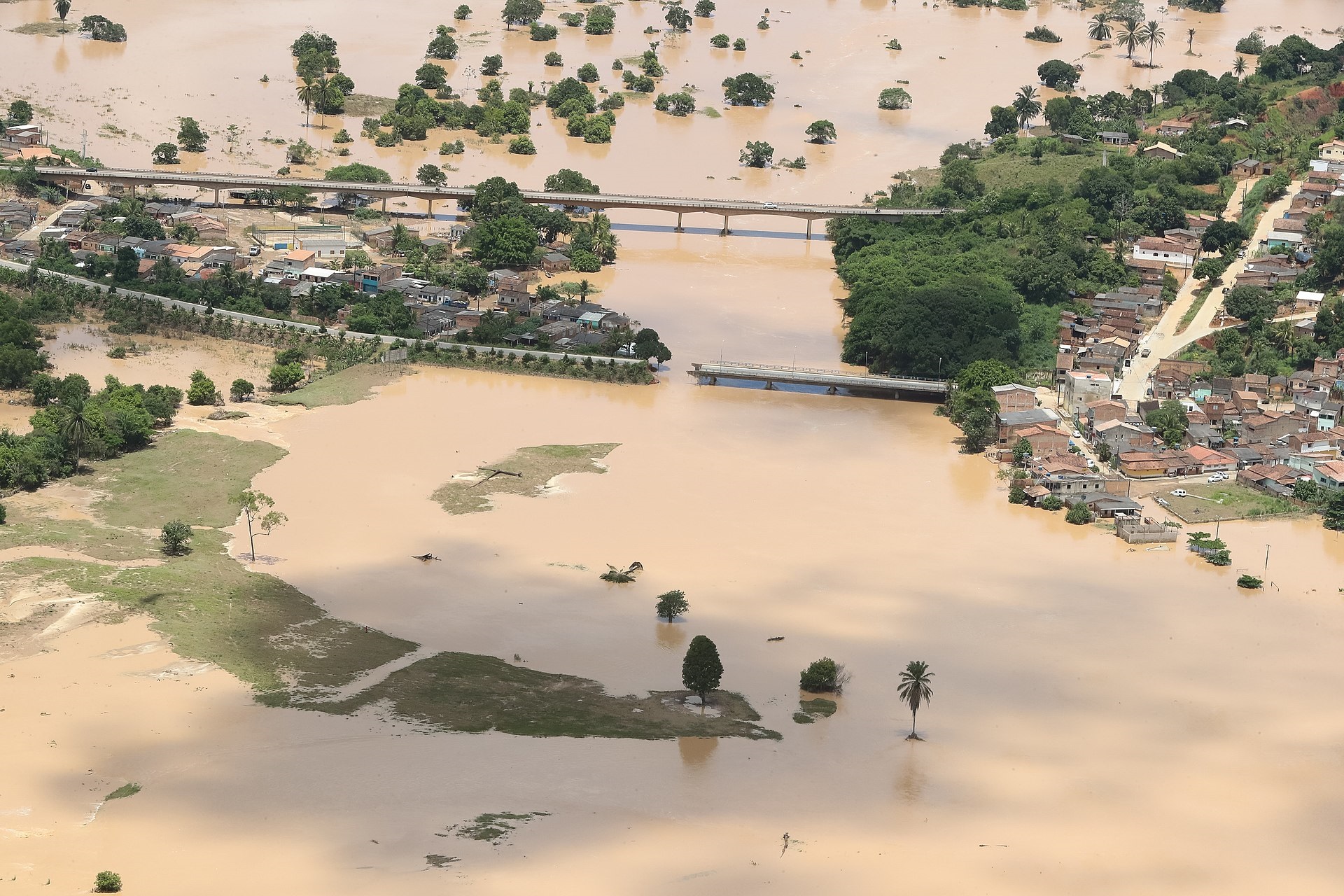
For Pacific SIDS, COP31 was meant to put special focus on the need to rapidly scale up climate and adaptation finance in all its forms to respond to the worsening impacts of climate change. Sea level rise, coastal inundation, and disproportionate exposure to extreme weather events, make climate action a matter of preserving not just territory, but entire cultures – and the roughly $3.3 billion needed annually to respond effectively (around 22.5% of the region’s total GDP) remains woefully underfunded.
This gap is part of the rationale behind the Pacific Resilience Facility (PRF), the Pacific-owned and led regional financial mechanism established in March 2025. Headquartered in Tonga, the PRF aims to raise an initial $500 million in grants designed to help Pacific SIDS mobilize much-needed climate finance in an era where fragmentation and slow disbursement have significantly delayed access. Even then, current pledges stand just at $173 million, making engagement on the finance issue a key priority for Pacific delegations headed to Antalya.
This is reflected in the Taku Pakasoa Declaration signed during this year’s Pacific Pre-COP in Fiji and Tuvalu. It builds on the foundation of the Vanuatu-led landmark ICJ Advisory Opinion on Climate Change, which went on to be endorsed by the UN General Assembly in May 2026, solidifying climate action as an urgent obligation for all states. The resolution received support by many of the Pacific’s Asian neighbours, including heavy hitters like China, while India participated in Pre-COP despite abstaining from the UNGA vote, signalling a shared willingness to act that talks in Antalya must build on.
For Nepal, accelerating glacier melt and the deadly collapse and flooding of August 2026 have strengthened calls for reform and greater investment into the Loss and Damage Fund, which has set aside $21.6 million, a first since the fund’s establishment in 2022 but still far less than the estimated $4.7 billion needed for recovery and reconstruction. Together with Bhutan, Nepal is pushing to add a supplementary provisional agenda item titled “1.5°C Warming in Mountains” at COP31, aiming to reflect the growing impact of global warming on critical mountain ecosystems like the Hindu Kush Himalaya in the global climate negotiation process. Monday’s opening plenary will show whether this proposal will gain real teeth.
Approaching Antalya
The state of climate action across the APAC region is a mixed bag, one characterized by competing priorities and varying degrees of vulnerability and resilience. While there is no one-size-fits all approach, the region’s collective response to a climate headed for overshoot will have global implications; and this year’s “implementation” COP must be where countries across the Asia-Pacific step up to their respective plates.

Asia Climate Solutions Pavilion
Asia sits at the center of global energy demand, industrial growth, and clean energy transition, making the region critical to delivering on the GST 2.0. These conversations will be explored in depth in the Asia Climate Solutions (ACS) Pavilion, now in its third year. Operated by Solutions for Our Climate (SFOC), this year’s pavilion will feature around 60 events hosted by SFOC and over 20 partners, providing a platform to connect global commitments with implementation on the ground across Asia.
Interested in learning more about Asia’s role in ushering in a cleaner future for the planet? Visit the ACS Pavilion in the COP31 Blue Zone from November 9 to 20, 2026.
Subscribe to the official ACS Pavilion Calendar for updates on upcoming events, registration, and to receive the ACS newsletter directly in your inbox.
For on-the-ground updates at COP, follow SFOC on LinkedIn and Instagram.
See you in Antalya!


