Two Questions from the Amazon
This project began with two questions.
Both were printed on a single postcard and filled in by hand as they passed through many people at the site of the 30th UN Climate Change Conference of the Parties (COP30).
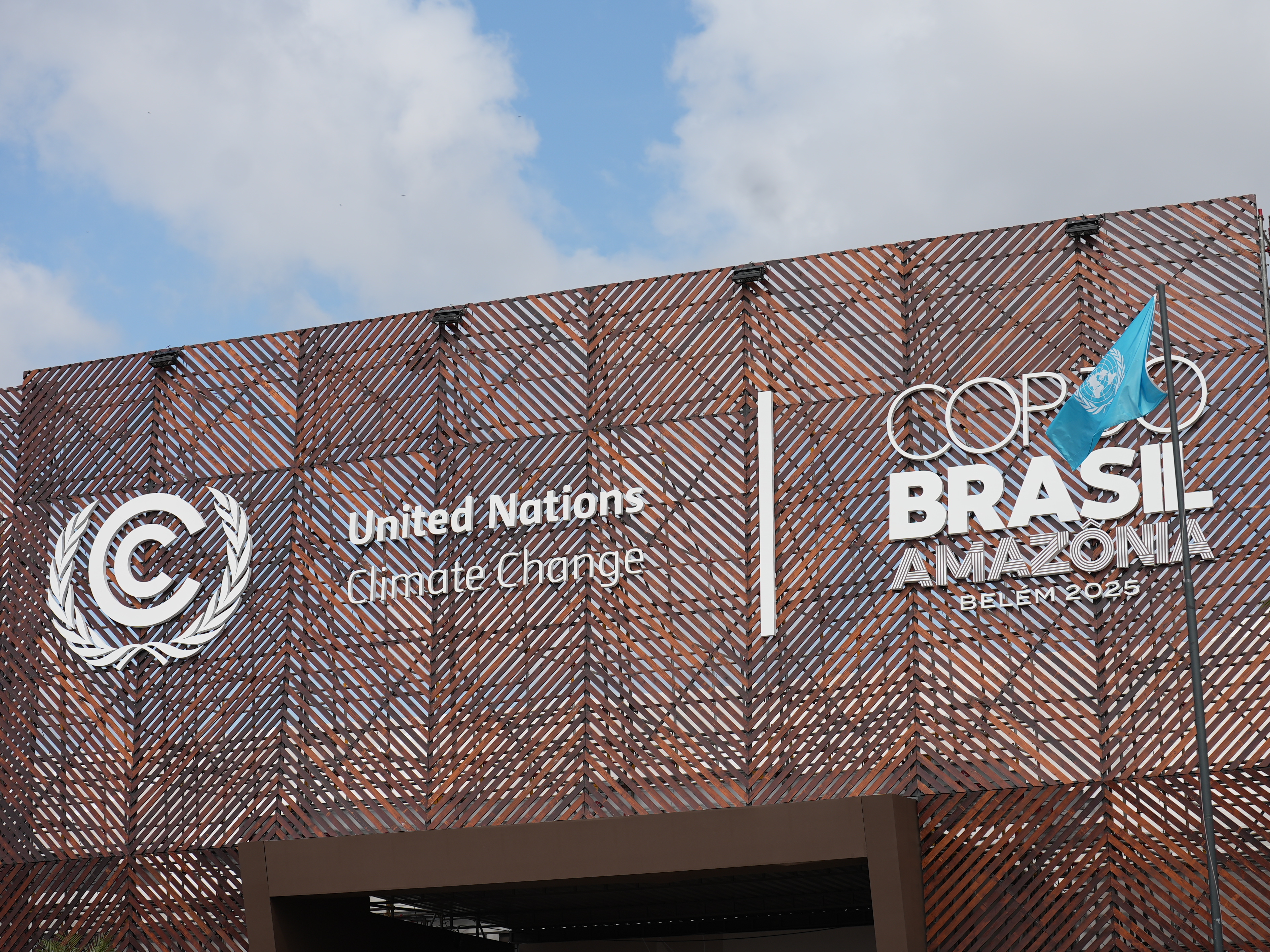
From Monday, November 10 to Friday, November 21, 2025, COP30 was held in Belém, Brazil—the gateway city to the Amazon.
During this period, Solutions for Our Climate hosted a participatory postcard event in the Green Zone, a space freely accessible not only to official delegates but also to the residents of Belém and the wider public.
The postcards asked two simple questions:
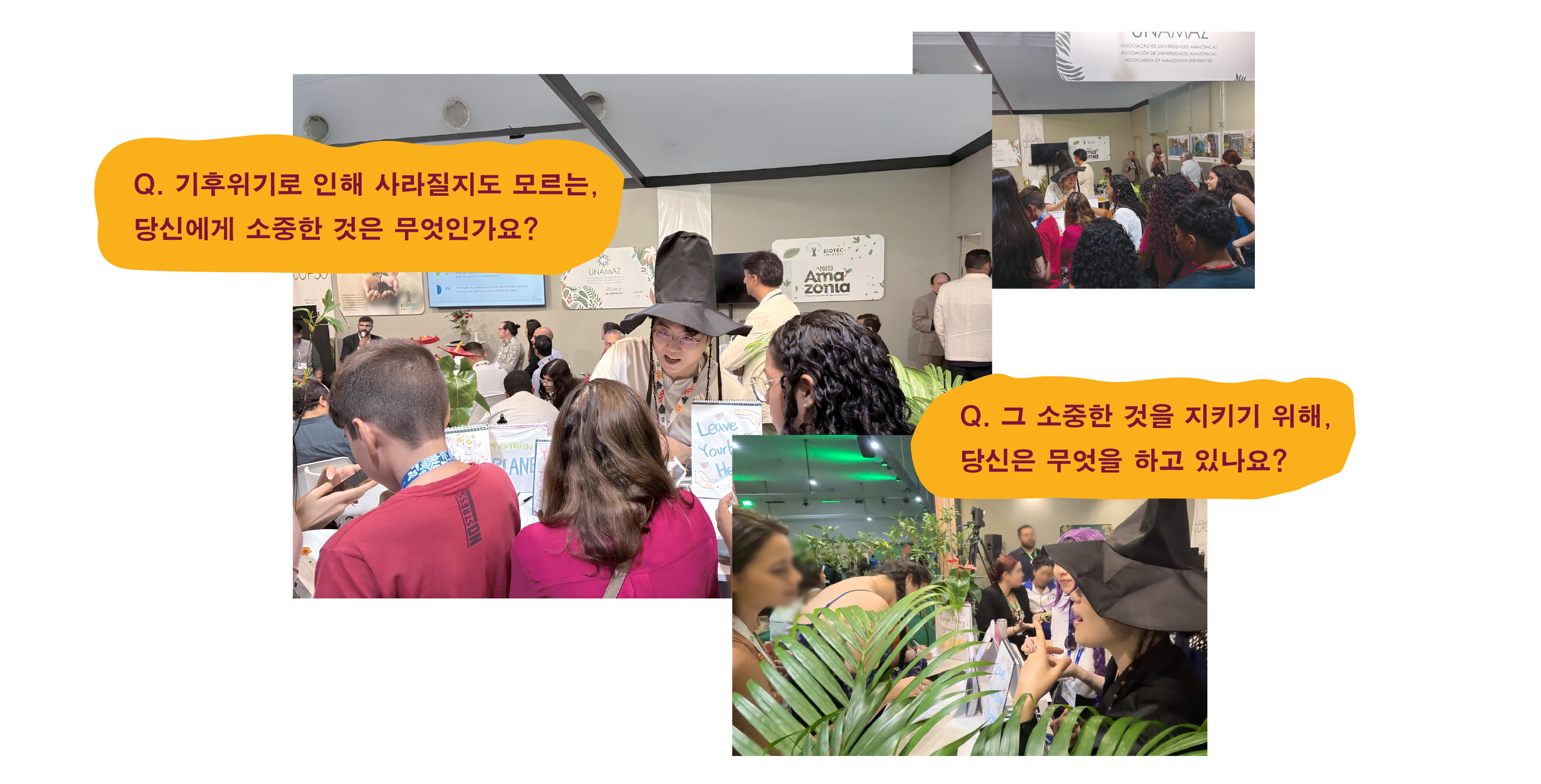
“What is something precious we might never see again because of the climate crisis?”
“What are you doing to protect what you love?”
More than 250 people—citizens and participants visiting COP30—responded to these questions in their own handwriting. Many waited in line to take part. Some wrote just a short sentence, while others took a long time to carefully reflect and fill their cards.
Together, these responses showed that the climate crisis is not a distant future concern, but a reality already being felt in everyday life.
Stories Written in Belém
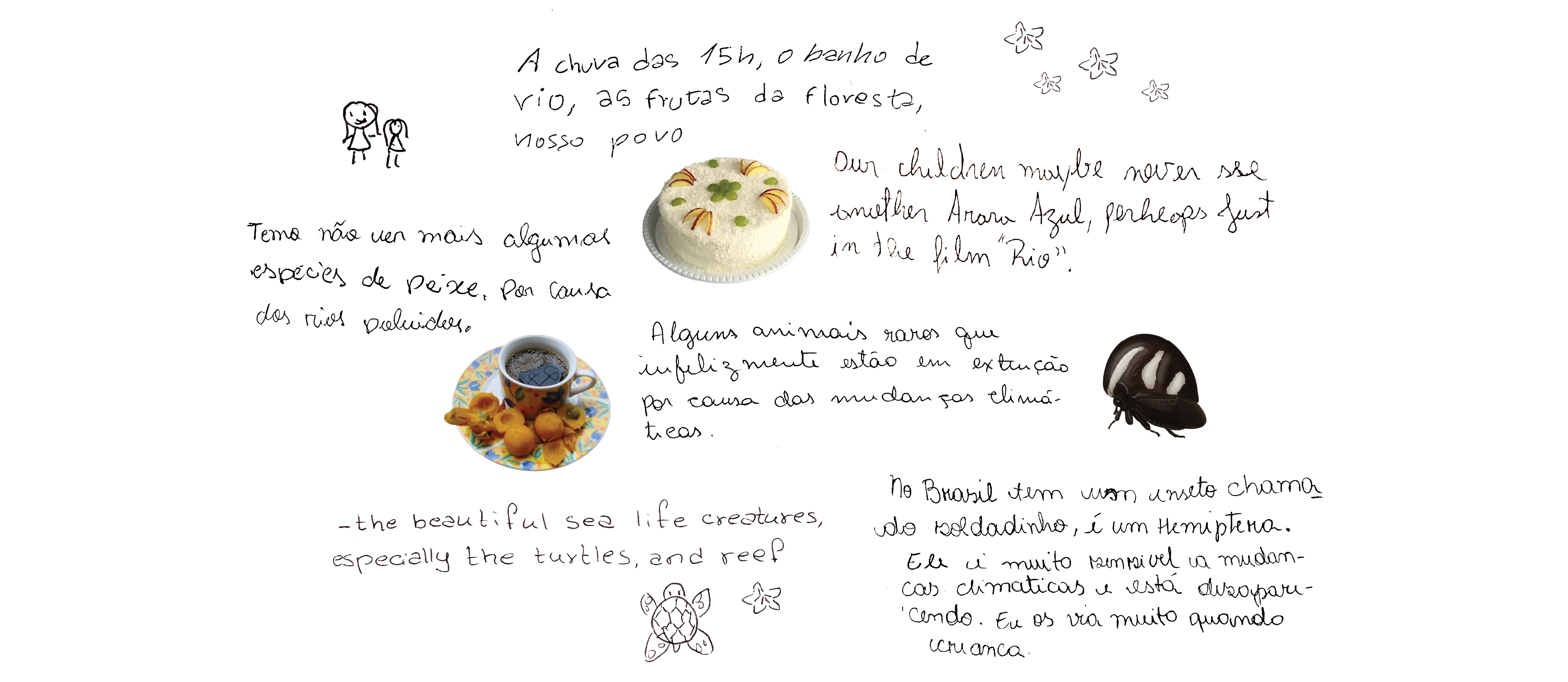
The postcards written in Belém clearly reflected the unique context of the city itself. In a place neighboring the world’s largest tropical rainforest, the climate crisis was not abstract or far off. People wrote about feeling the city grow hotter day by day, about how familiar patterns of rain and seasons had begun to shift. Some noted that the afternoon rains no longer came, or that long stretches passed without seeing sunlight.
The names of forests, rivers, and living beings appeared again and again on the postcards. Creatures that were once common but are now becoming rare—such as the Arara Azul (blue macaw), fireflies, freshwater fish, rare insects, and flowers—were frequently mentioned. People wrote about fish disappearing as rivers became polluted, forests in the Amazon and Pantanal threatened by wildfires, and the fear that children might one day see animals only in movies.
Here, nature was not scenery—it was the foundation of life itself.
In responses to the second question, this sense of crisis translated into concrete action. Postcards described everyday practices such as using renewable energy, avoiding illegal timber, separating waste, and recycling. Others wrote about planting trees, cleaning rivers and beaches, and working directly with communities.
There were students studying biology to amplify the voices of forests and local communities; researchers devoted to insects and biodiversity; chefs trying not to waste food; and activists working to expand climate education and sustainable policy. One postcard read simply, “Humans cannot survive without nature,” adding that protecting forests ultimately means protecting people.
These postcards from Belém revealed the climate crisis not merely as an environmental issue, but as a question of livelihoods, memory, and the future of communities. Losing forests and rivers meant losing ways of life. That is why the two questions posed here felt especially concrete—and why these records from the Amazon became a strong starting point for a journey that would later reach Seoul.
The Questions Arrive in Seoul
The postcards collected in Belém did not stay there. The questions traveled across the globe, arriving in Seoul.
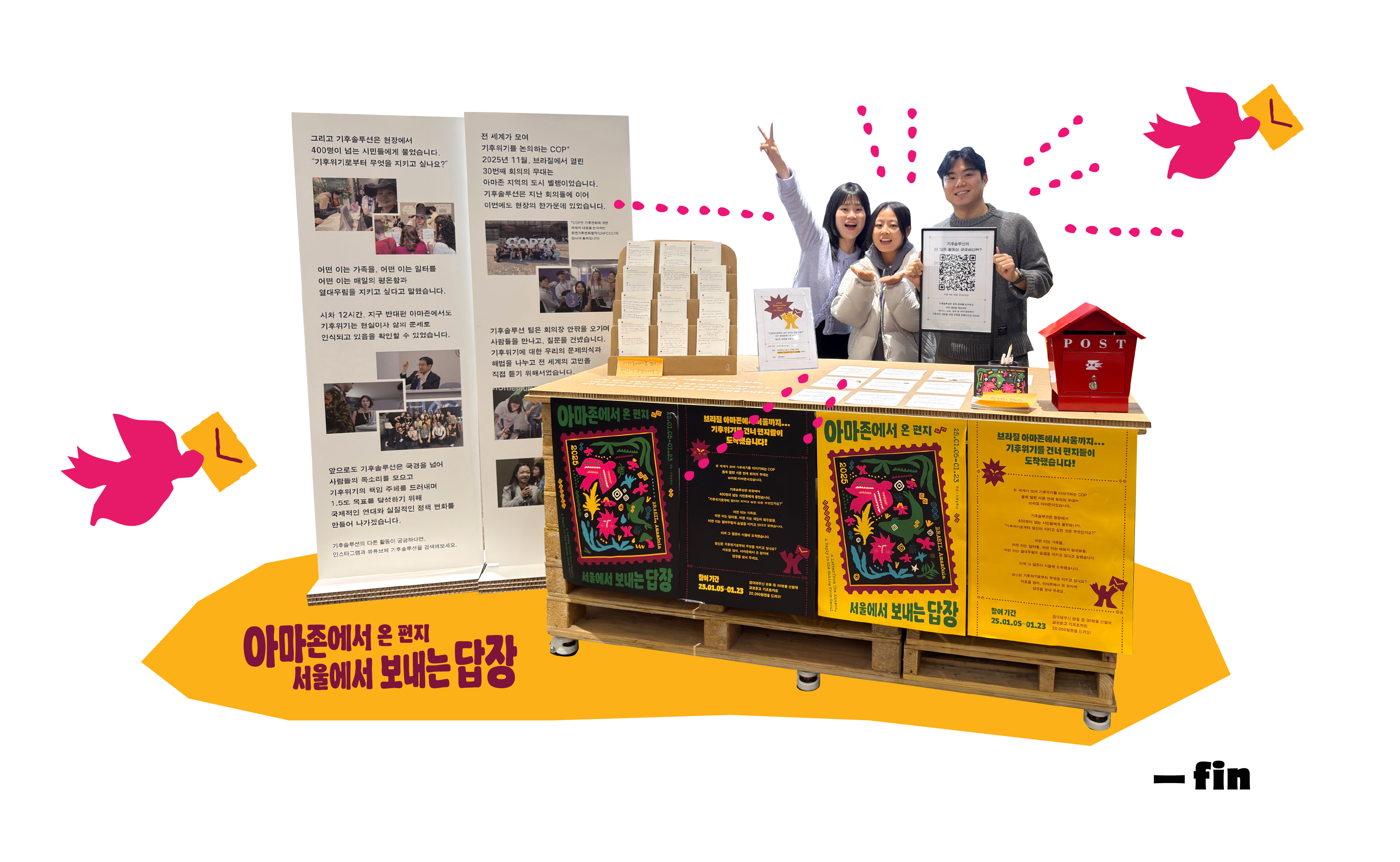
From January 5 to January 23, 2026, the exhibition and participatory postcard event “Letters from the Amazon, Replies from Seoul” was held on the first floor of Heyground Seongsu Start-up Branch in Seongdong-gu, Seoul.
In this space, postcards written in Belém were displayed alongside blank postcards carrying the same two questions. Visitors in Seoul were invited to respond—reflecting on what might disappear due to the climate crisis, and what they are doing, right now, to protect it.
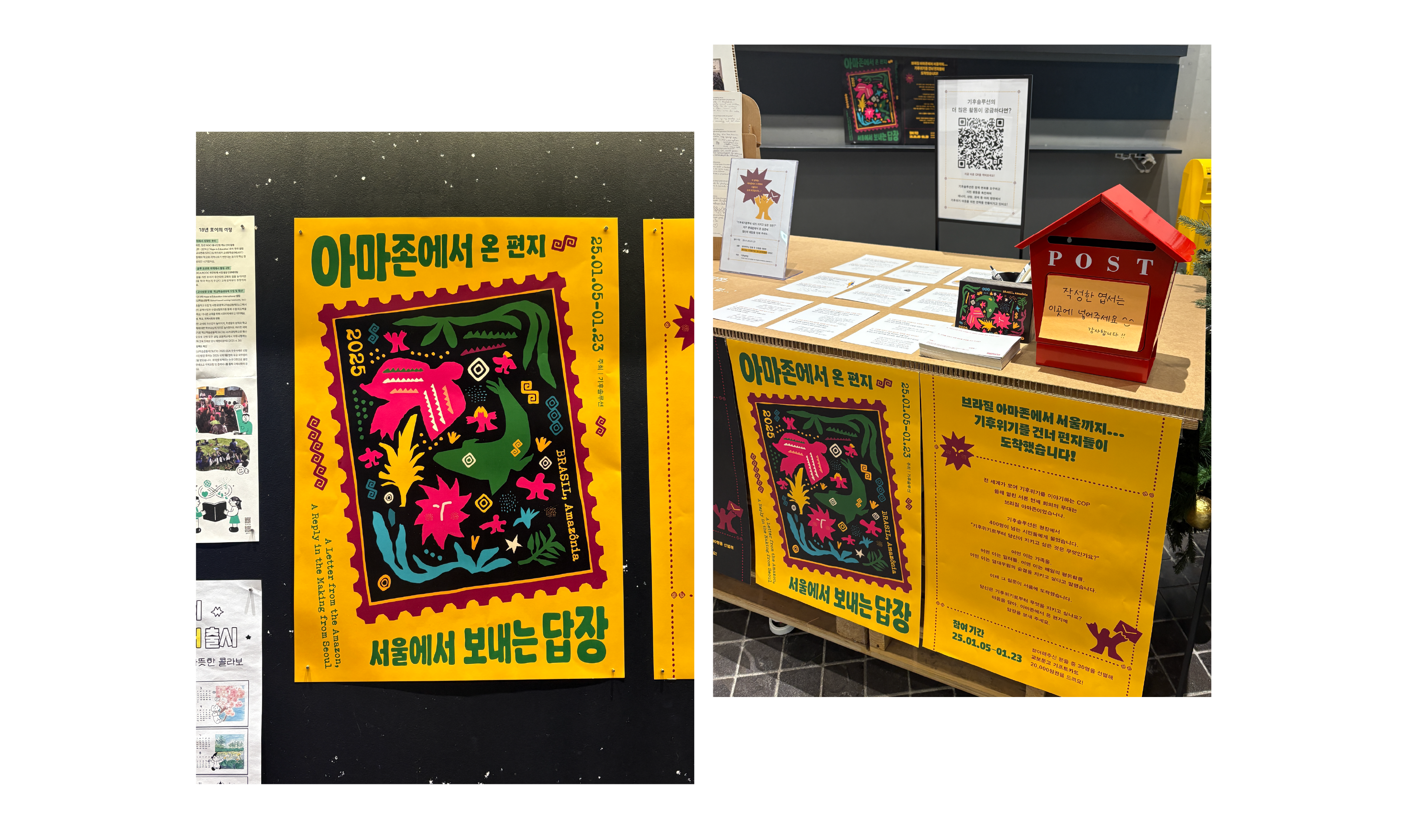
Replies from Seoul
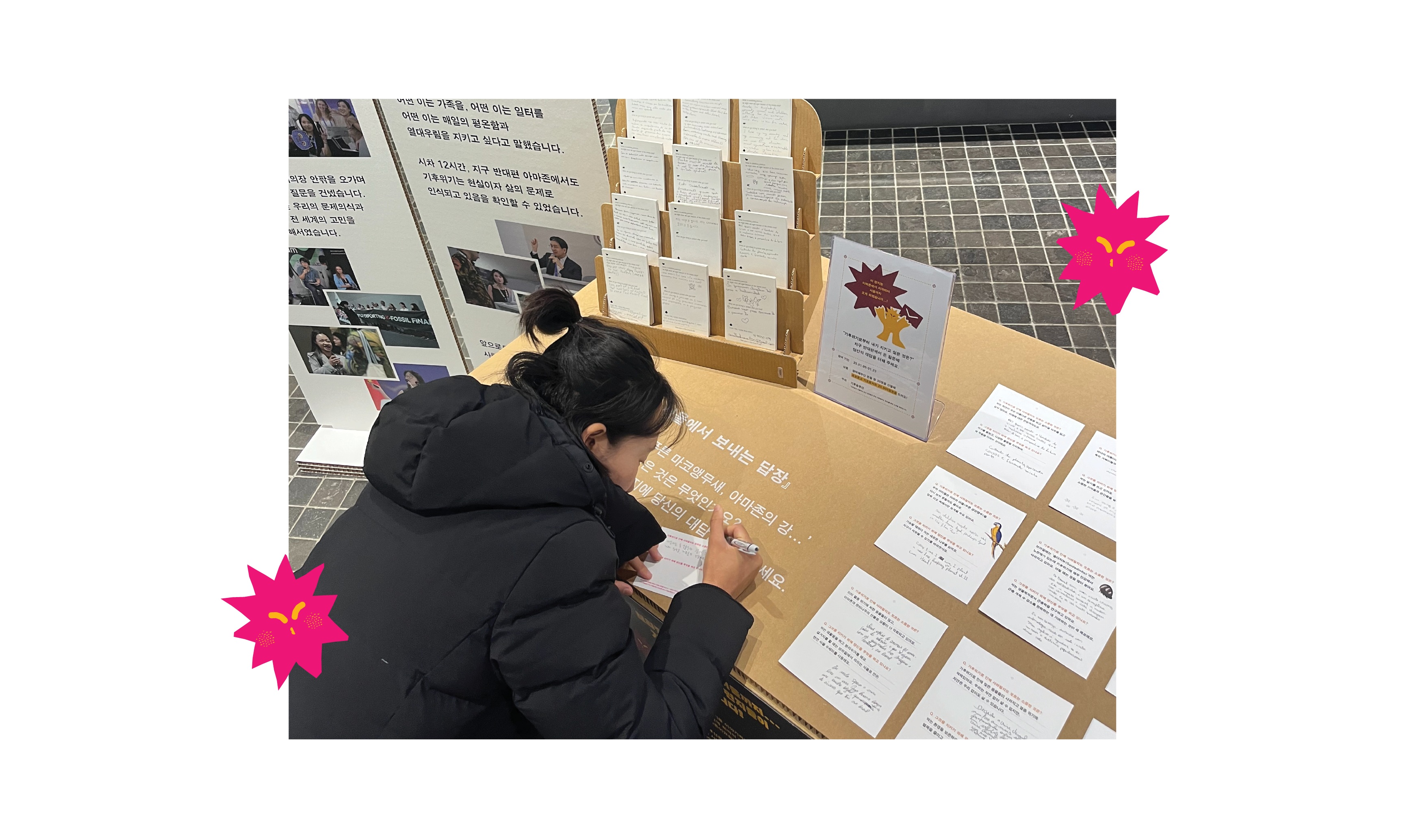
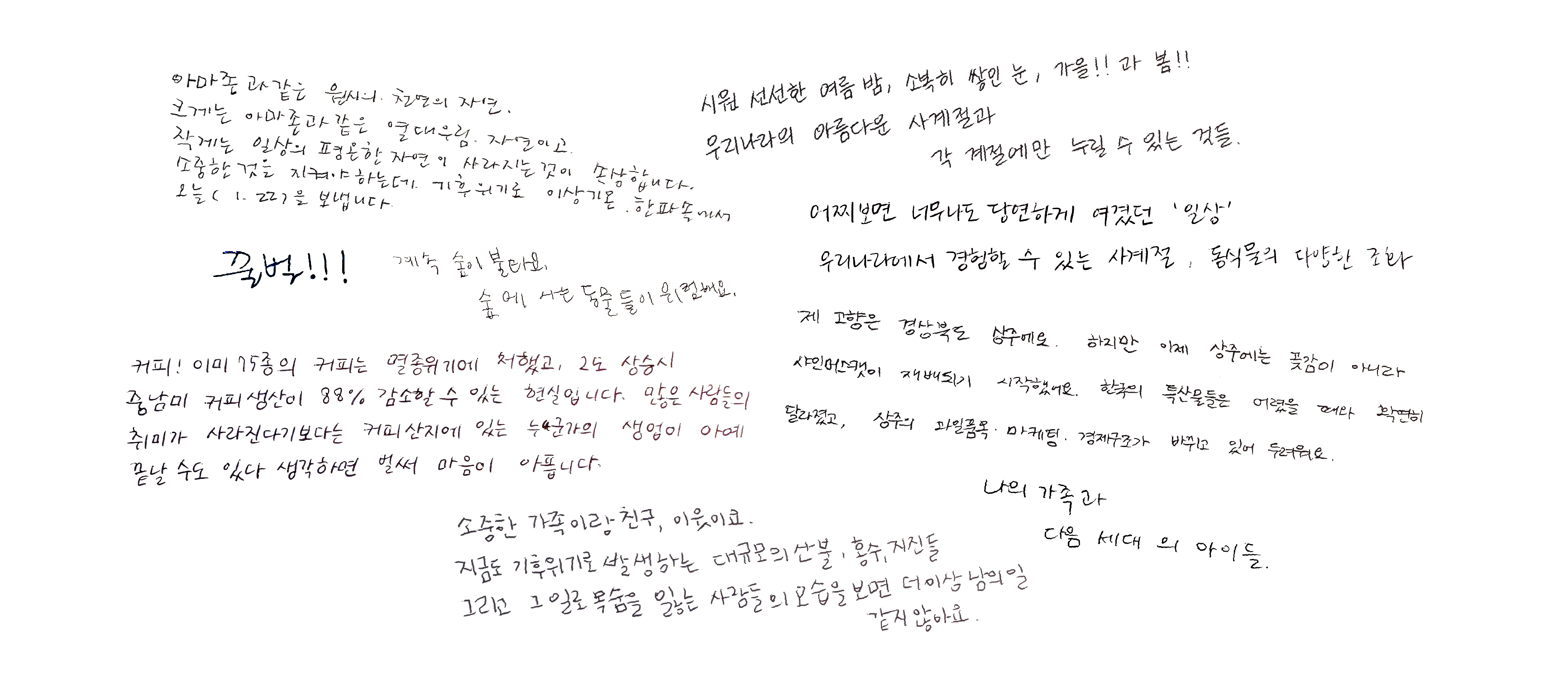
The postcards collected at Heyground revealed the many ways the climate crisis touches everyday life in Seoul. Some wrote that while the disappearance of vast ecosystems like the Amazon is frightening, it is the loss of “ordinary days”—uneventful routines and familiar seasons—that feels most painful.
Others recalled the first time they went diving, writing about the shock of seeing coral reefs damaged by rising sea temperatures and stronger typhoons. Many expressed concern about the fading of four distinct seasons, the shortening of spring and autumn, and the possibility that familiar foods—coffee, seasonal fruits, and local specialties—might one day vanish.
Responses to the second question reflected actions rooted in each person’s circumstances. From small habits like using tumblers and reusable bags, reducing waste, and practicing careful recycling, to choosing vegan meals or wearing clothes for longer periods. Some described regularly picking up litter during walks; others mentioned planting flowers for bees, learning about forests, or participating in tree-planting activities.
Several postcards spoke of broader efforts—using one’s profession, research, education, or social enterprise work to push for change in industry and society.
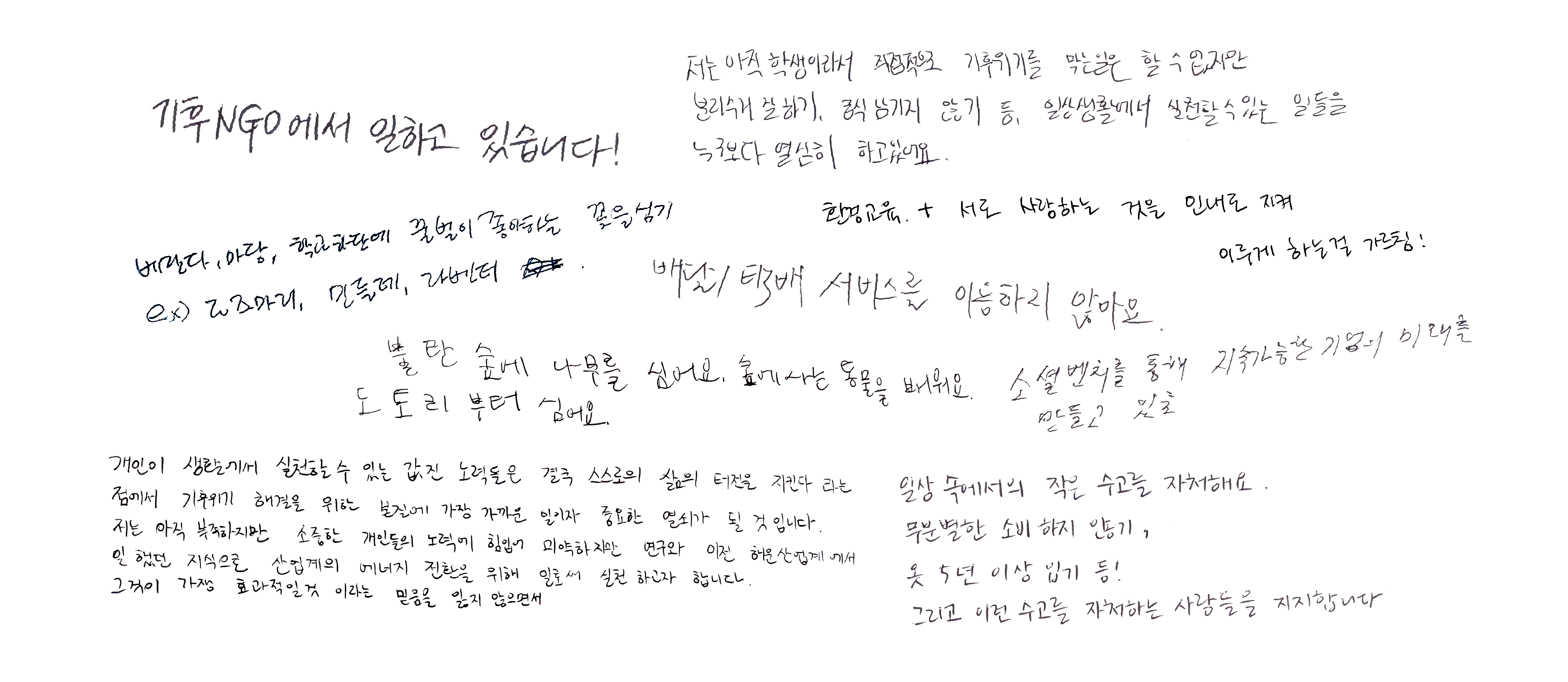
Together, these replies showed that concern about the climate crisis is not limited to a particular group. While what people wished to protect differed, the desire to act—each in their own way—was strikingly similar. Quietly, the postcards reminded us that the climate crisis is not just a grand political issue, but a matter of everyday choices and attitudes.
Two Cities, Opposite Sides of the World, Similar Concerns
Belém and Seoul are cities of stark contrast. One sits alongside the world’s largest rainforest; the other is a dense мегacity built atop industrial and urban systems.
Yet the answers written on the same postcards were surprisingly alike. What people sought to protect differed, but the underlying sense of responsibility—and the feeling of not wanting to lose what makes life meaningful—was shared.
Some were changing how they live to protect forests; others were rethinking consumption and choices in the city. While their circumstances varied, people in both cities confronted the same questions, in their own words.
A Quiet Connection, Made by Postcards
This project did not rely on loud slogans or demands for action. It simply shared the same questions, and placed answers from different cities side by side.
In doing so, the Amazon and Seoul became connected through a single postcard. People who never met each other could nevertheless recognize that they shared concern for the climate crisis, reflected on what they hold dear, and considered what they could do from where they stand.
“Letters from the Amazon, Replies from Seoul” is a record of how people around the world can connect—indirectly yet meaningfully—through shared questions and language in the face of the climate crisis.
These questions remain valid today:
What are we protecting in the cities we live in—and what are we doing to protect it?