Government Financing for H₂-DRI Commercialization: Comparative Risk-Sharing Cases and Implications for Korea

About
This report identifies hydrogen-based ironmaking (H₂-DRI) as a national industrial transition agenda and presents concrete policy recommendations to clarify the government’s role in enabling its commercialization.
As Korea approaches the commercialization phase of H₂-DRI, establishing a clear fiscal and financial framework for implementation is necessary. Drawing on Germany and Sweden as examples, the report examines how major steel-producing countries have institutionalized fiscal intervention and public–private risk-sharing mechanisms during the conversion of commercial facilities. Through this comparative analysis, the report identifies structural limitations in Korea’s current policy and budget framework and proposes financing strategies that could enable a commercial-scale transition.
Download report
Key findings
Government support for the HyREX project remains largely confined to the R&D and demonstration stage. A concrete risk-sharing structure explicitly designed for the commercial transition phase has yet to be established.
The transition to H₂-DRI requires a long-term investment of approximately USD 33.8 billion (KRW 47.3 trillion). Although this requires substantial initial capital expenditures and significant technological and market uncertainties at the company level, emission reduction benefits and broader industrial and socioeconomic spillover effects accrue to the national economy.
Major countries such as Germany and Sweden have already established differentiated risk-sharing frameworks for commercial-scale H₂-DRI deployment, combining large-scale subsidies, policy finance, and state guarantees. Some projects are expected to begin commercial production as early as 2026.
Ultimately, the pace and feasibility of commercial-scale H₂-DRI transition in Korea will depend on whether the government clearly articulates and operationalizes a fiscal and financial risk-sharing framework tailored to the commercial facility conversion stage. Korea has now reached a critical policy juncture at which the government must concretely assume this role.
Related research
Choosing a Green Steel Pathway : Implications for South Korea, Japan, and Australia
2026-09-14
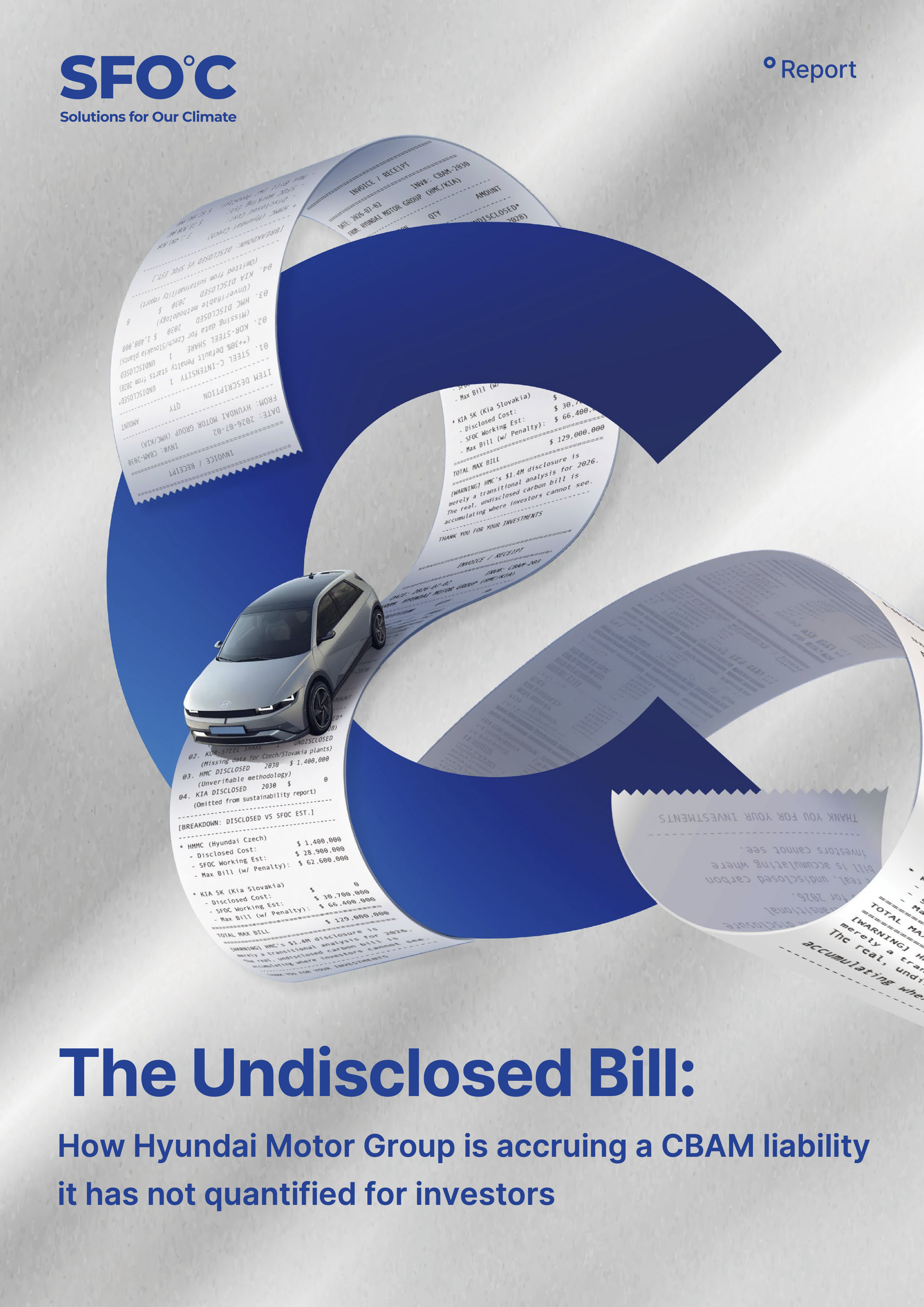
The Undisclosed Bill: How Hyundai Motor Group is accruing a CBAM liability it has not quantified for investors
2026-07-15
South Korea’s Steel Industry at a Crossroads: Developing a Credible Green Steel Standard
2026-07-09
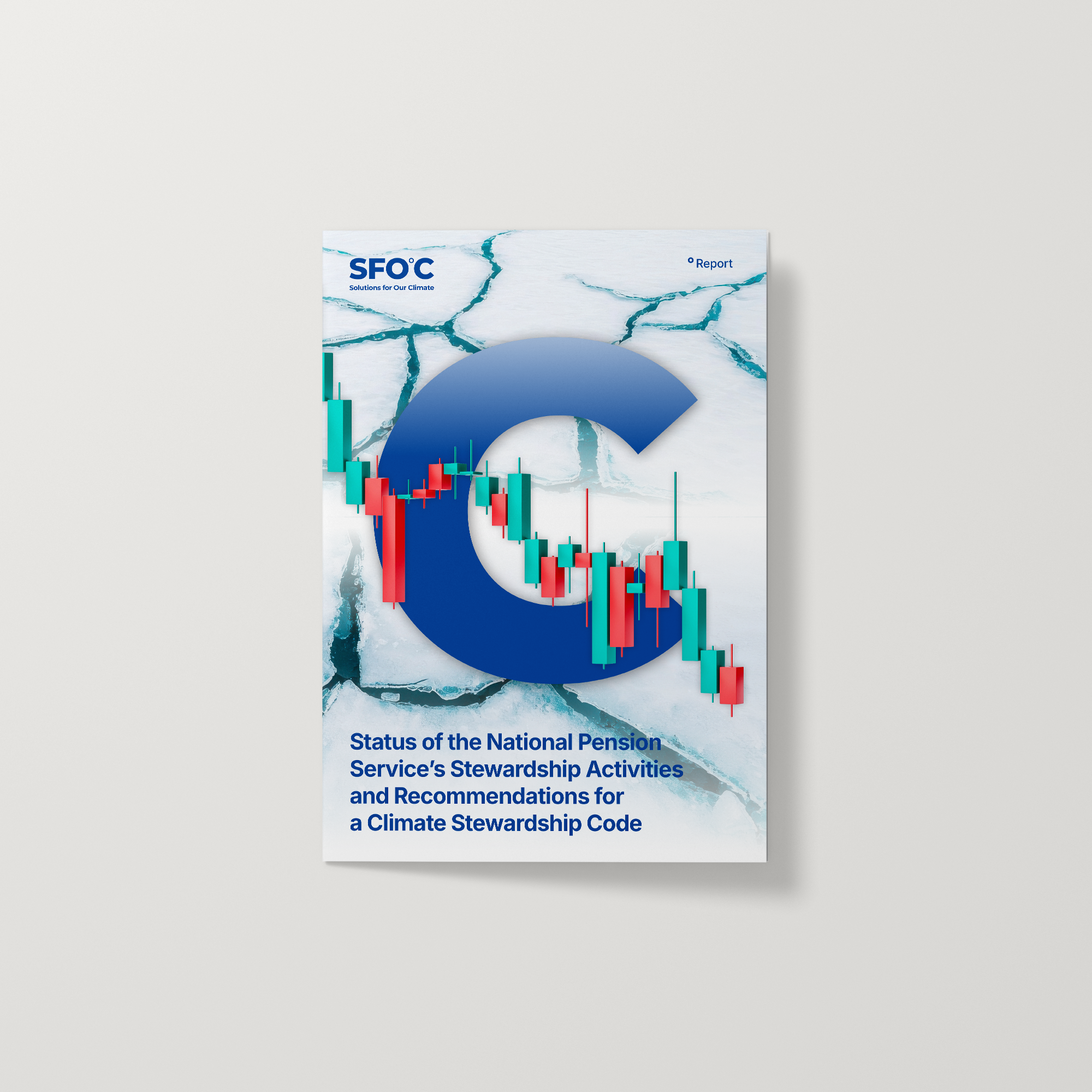
Status of the National Pension Service’s Stewardship Activities and Recommendations for a Climate Stewardship Code
2026-07-06
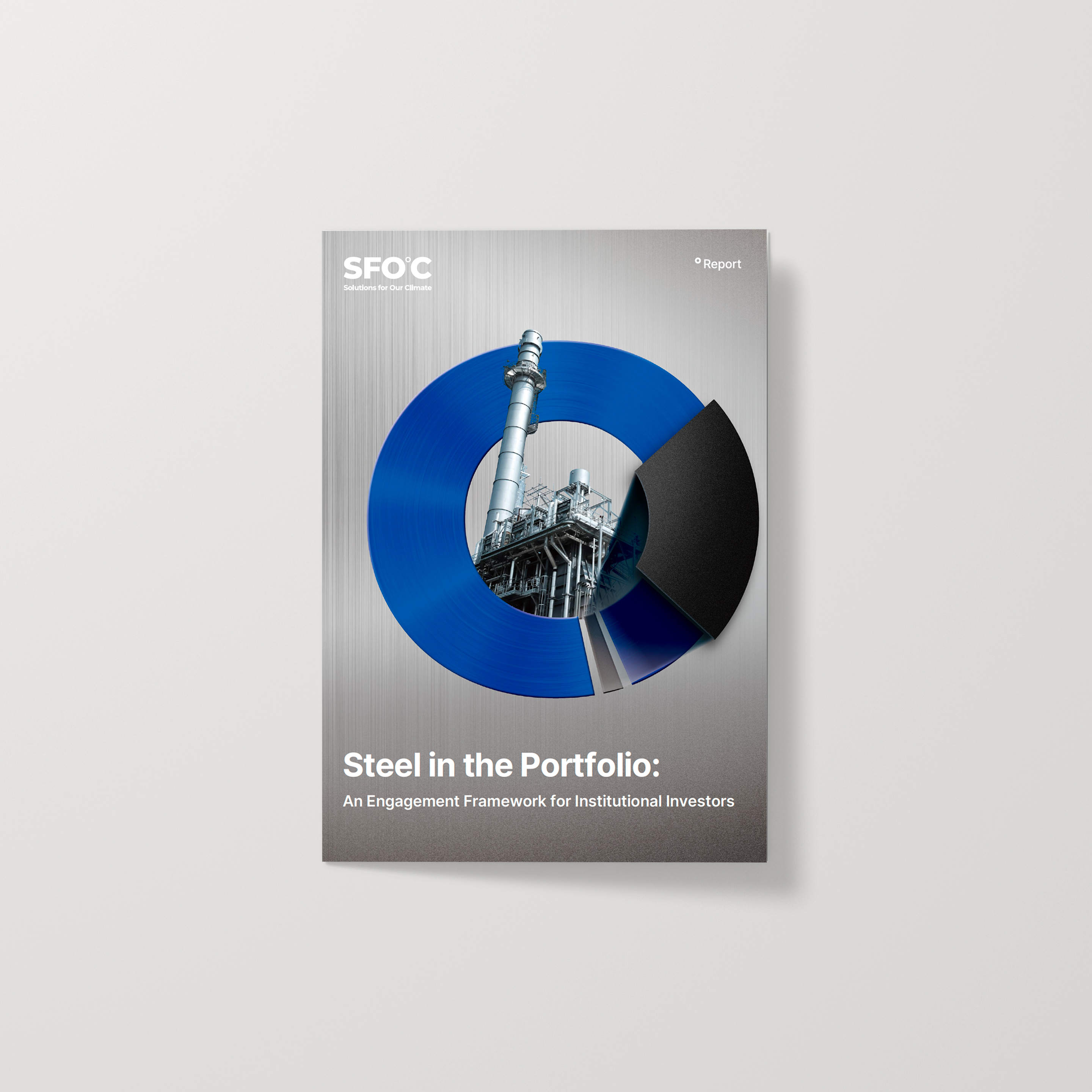
Steel in the Portfolio: An Engagement Framework for Institutional Investors
2026-06-16
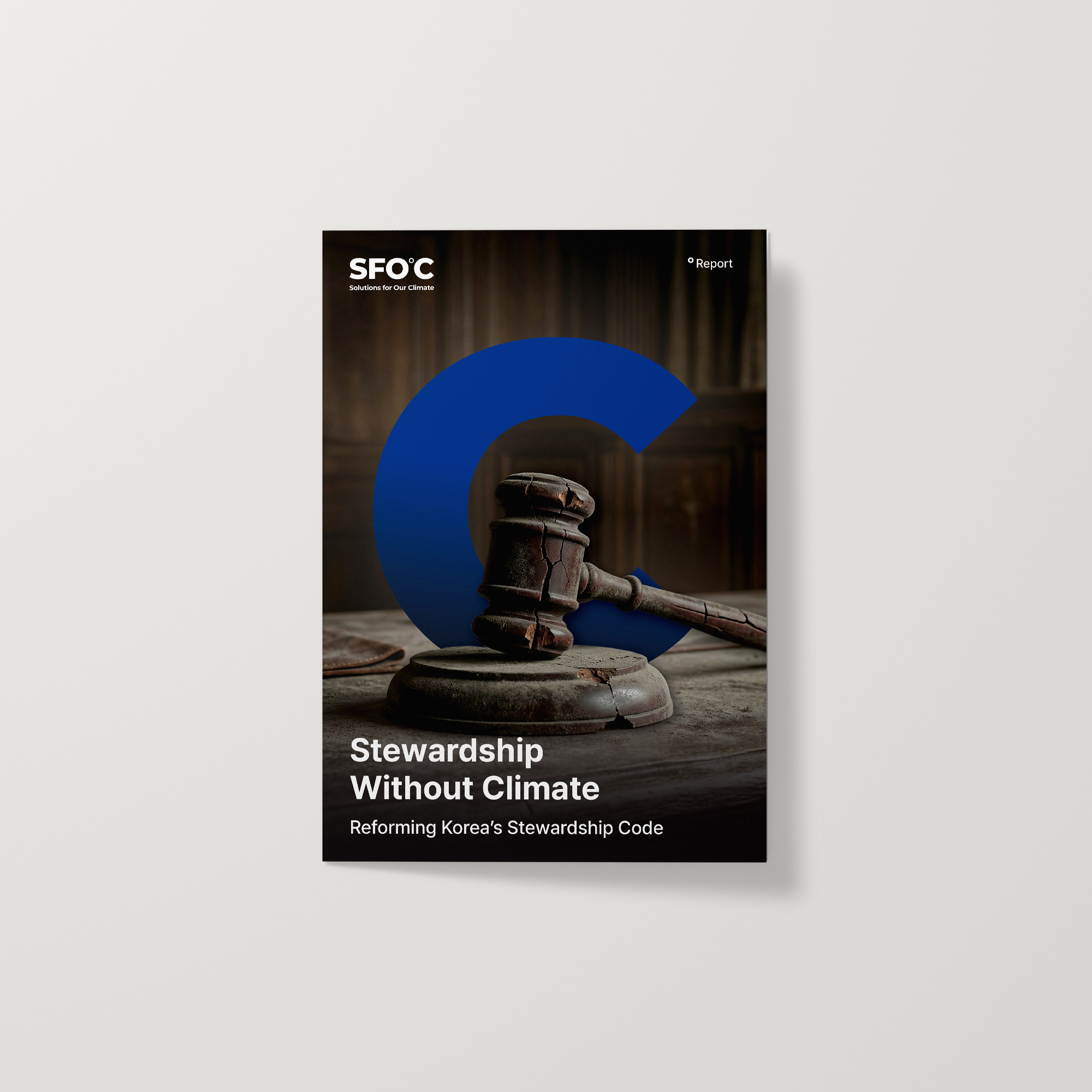
Stewardship Without Climate : Reforming Korea’s Stewardship Code
2026-05-13
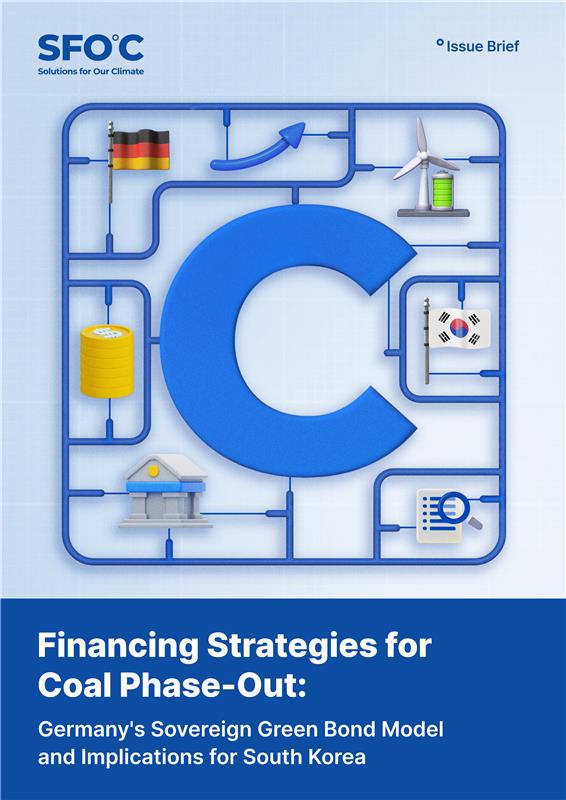
Financing Strategies for Coal Phase-Out: Germany's Sovereign Green Bond Model and Implications for South Korea
2026-04-21
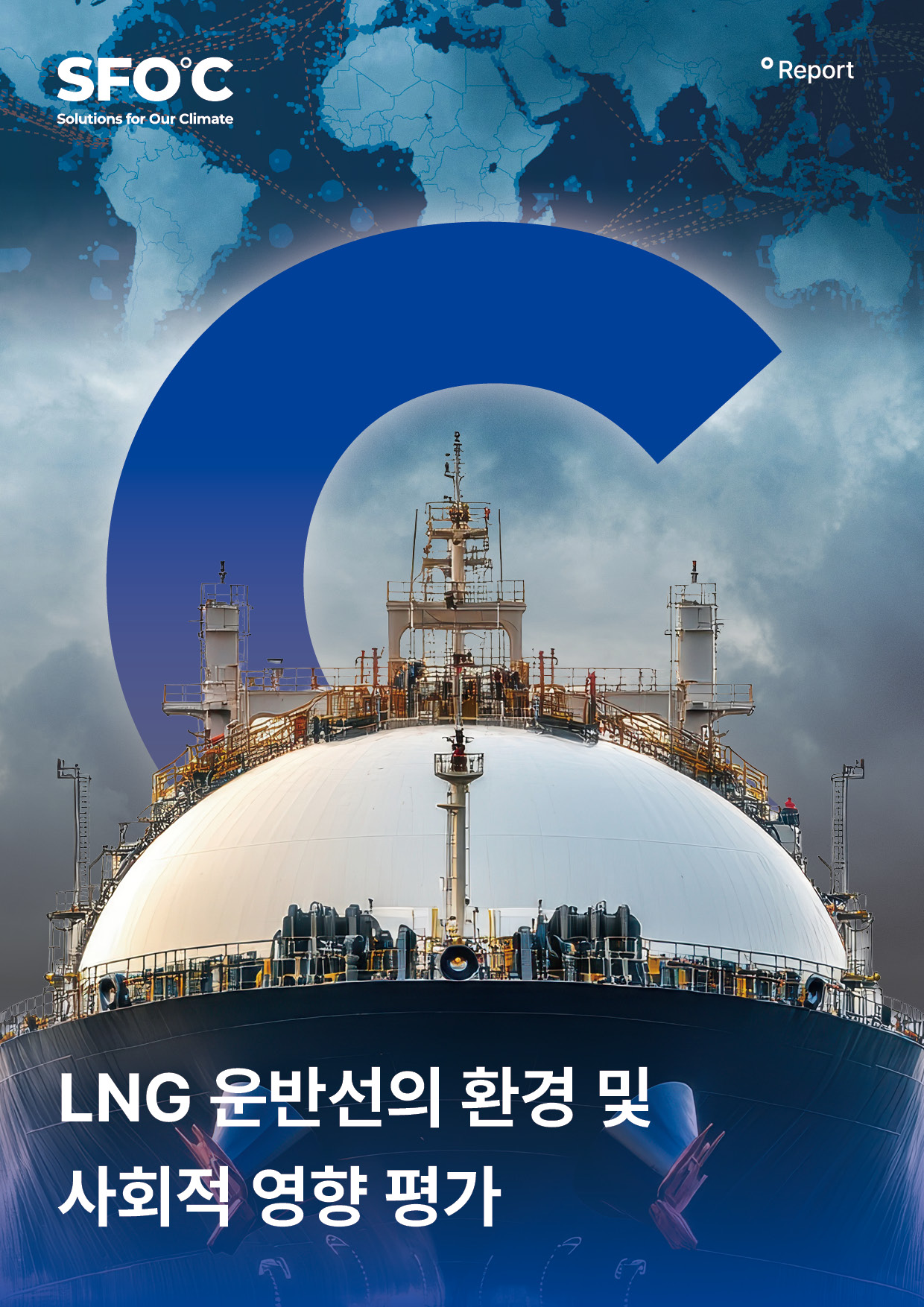
An Assessment of Environmental and Social Impacts of LNG Carriers
2026-04-06
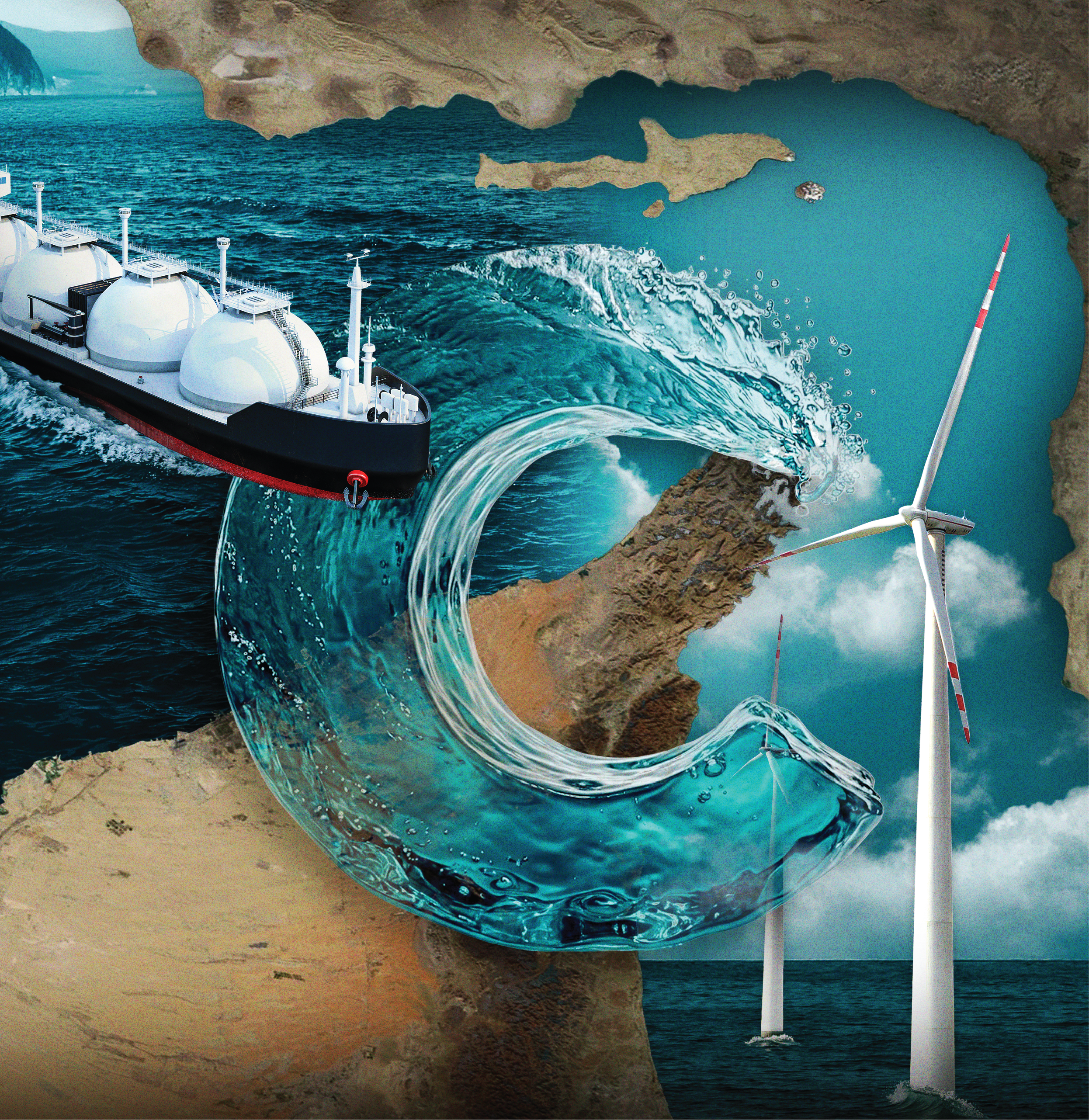
Recurring Crisis, Delayed Transition: From Fossil Fuel Dependence to Energy Independence
2026-03-18
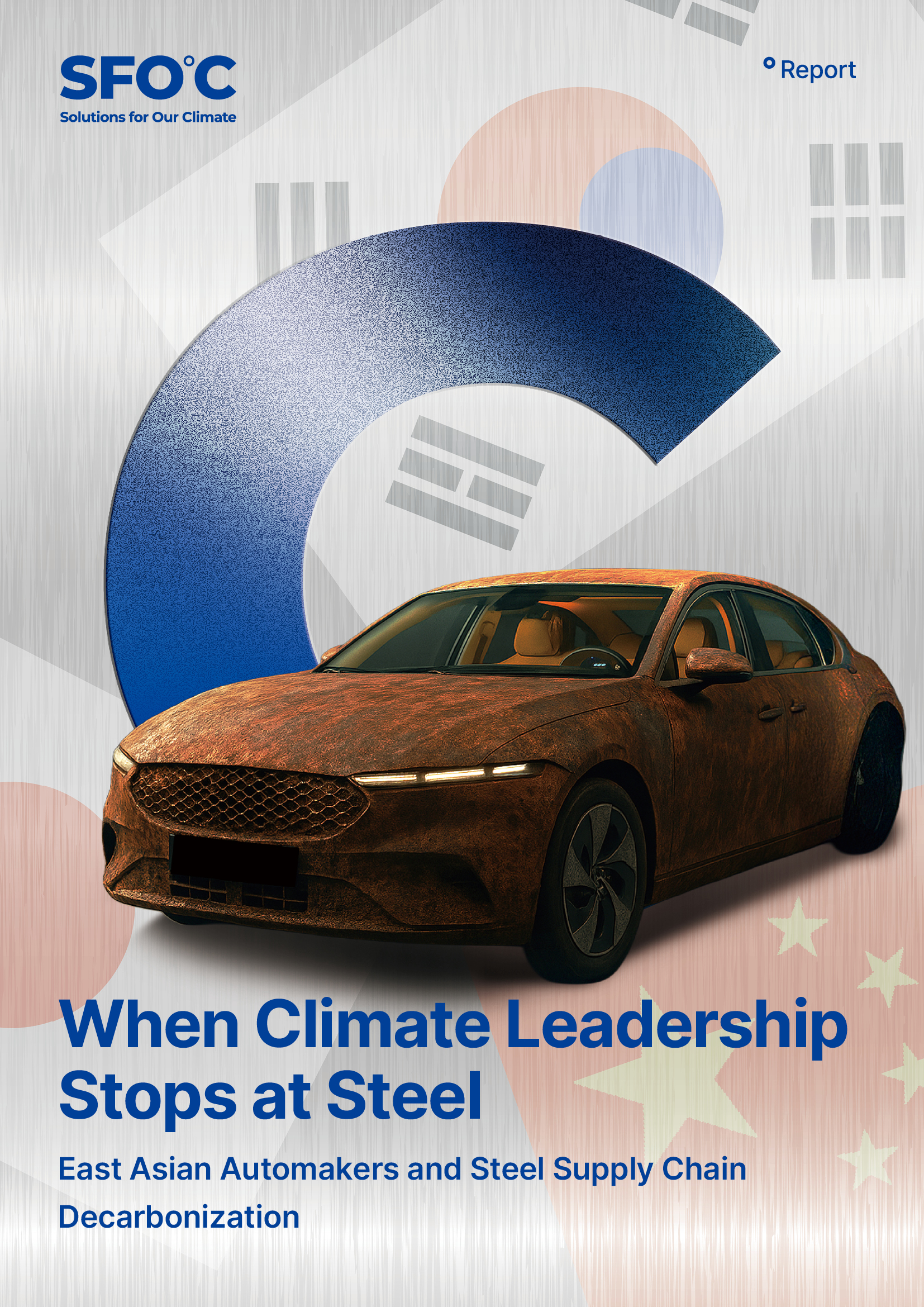
When Climate Leadership Stops at Steel: East Asian Automakers and Steel Supply Chain Decarbonization
2026-03-08
Empty Seats at the Climate Table : Board Oversight Gaps in Hyundai Motor Company's Climate Governance
2026-03-03

REthinking Hyundai’s ‘eco’ steel: How fossil fuels threaten the brand
2026-02-13
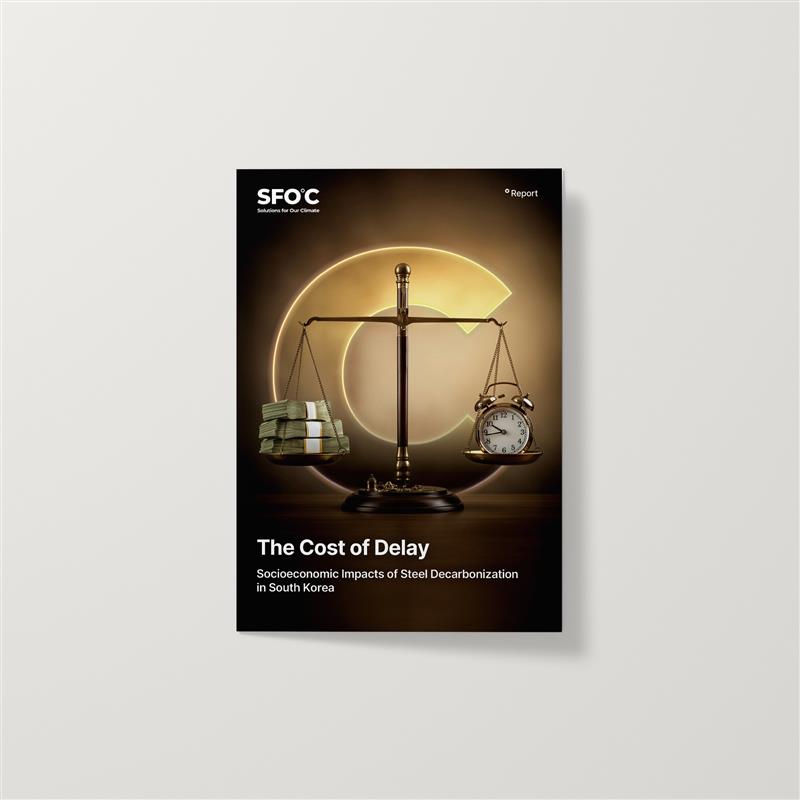
The Cost of Delay: Socioeconomic Impacts of Steel Decarbonization in South Korea
2026-01-26
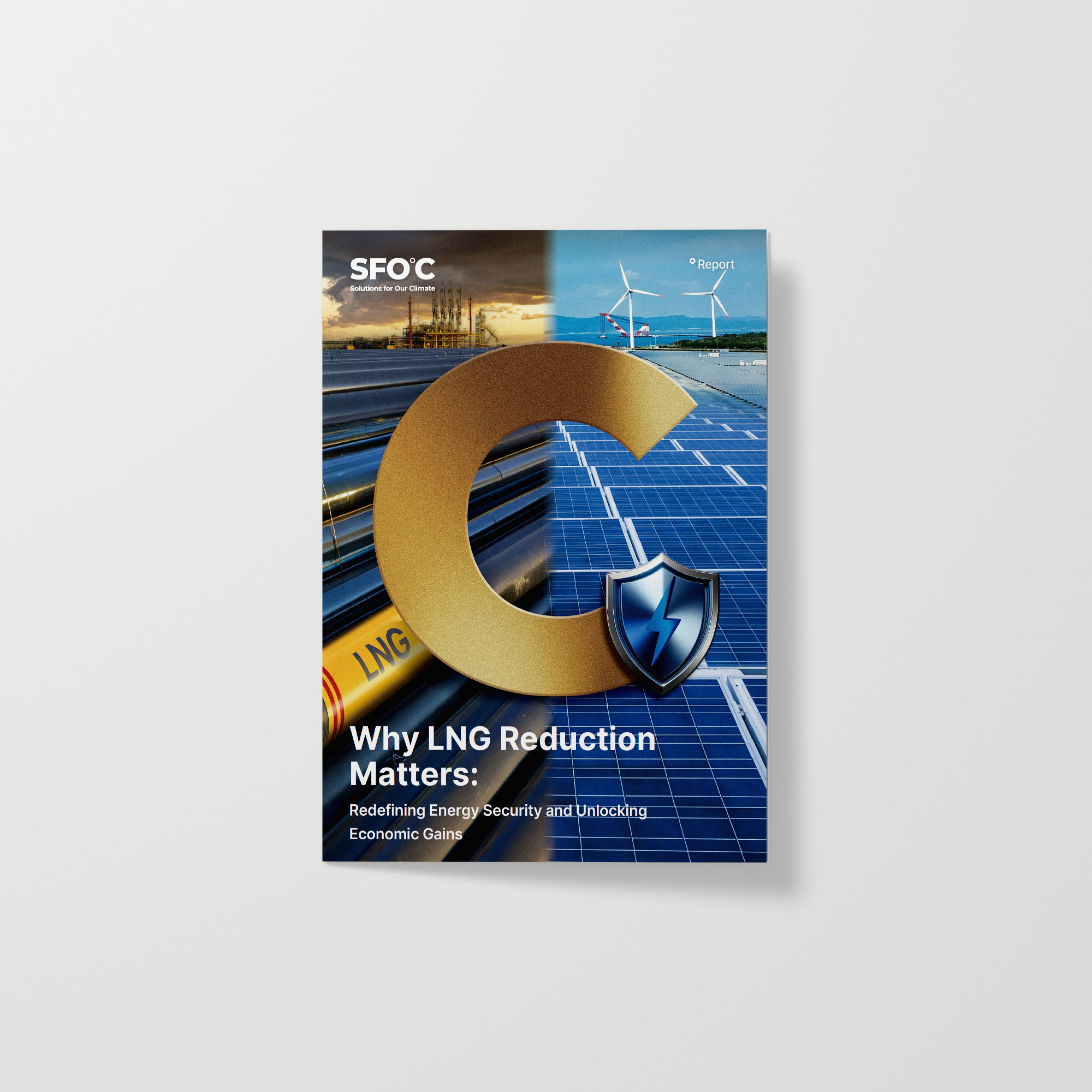
Why LNG Reduction Matters: Redefining Energy Security and Unlocking Economic Gains
2025-12-08
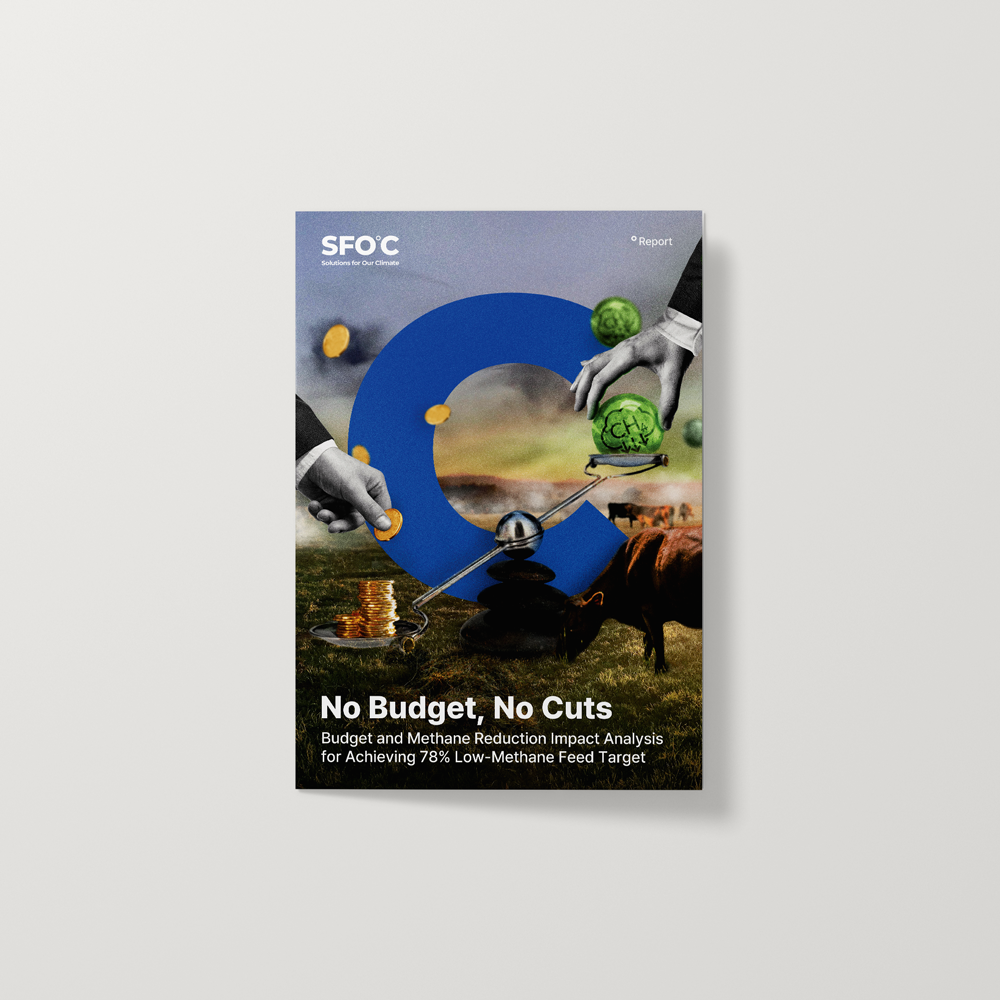
No Budget, No Cuts: Budget and Methane Reduction Impact Analysis for Achieving 78% Low-Methane Feed Supply Target
2025-12-03
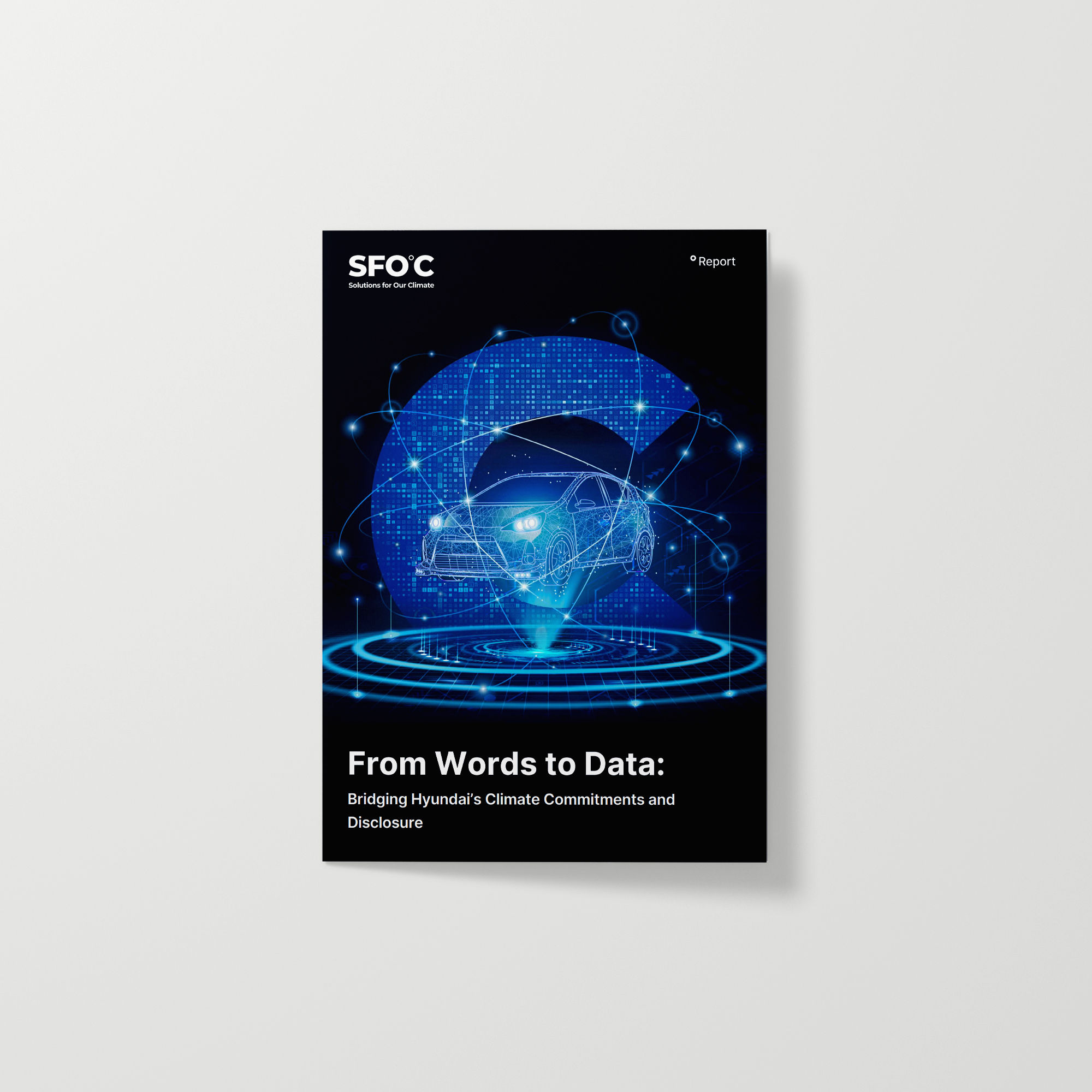
From Words to Data: Bridging Hyundai’s Climate Commitments and Disclosure
2025-11-28
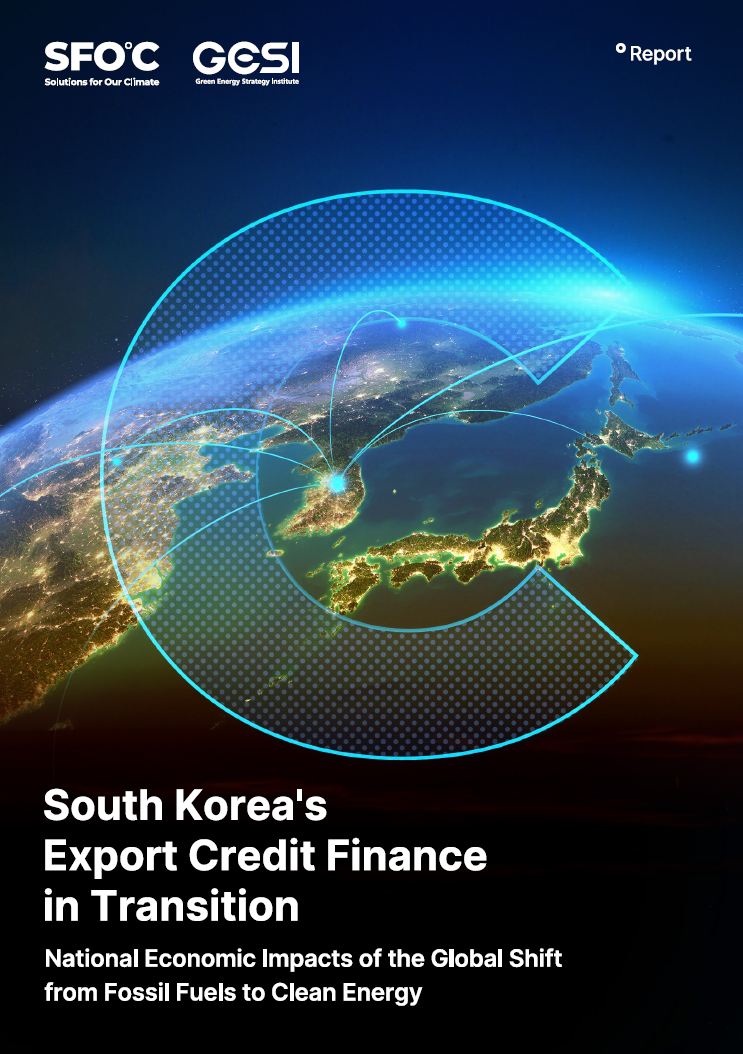
South Korea’s Export Credit Finance in Transition: National Economic Impacts of the Global Shift from Fossil Fuels to Clean Energy
2025-11-16
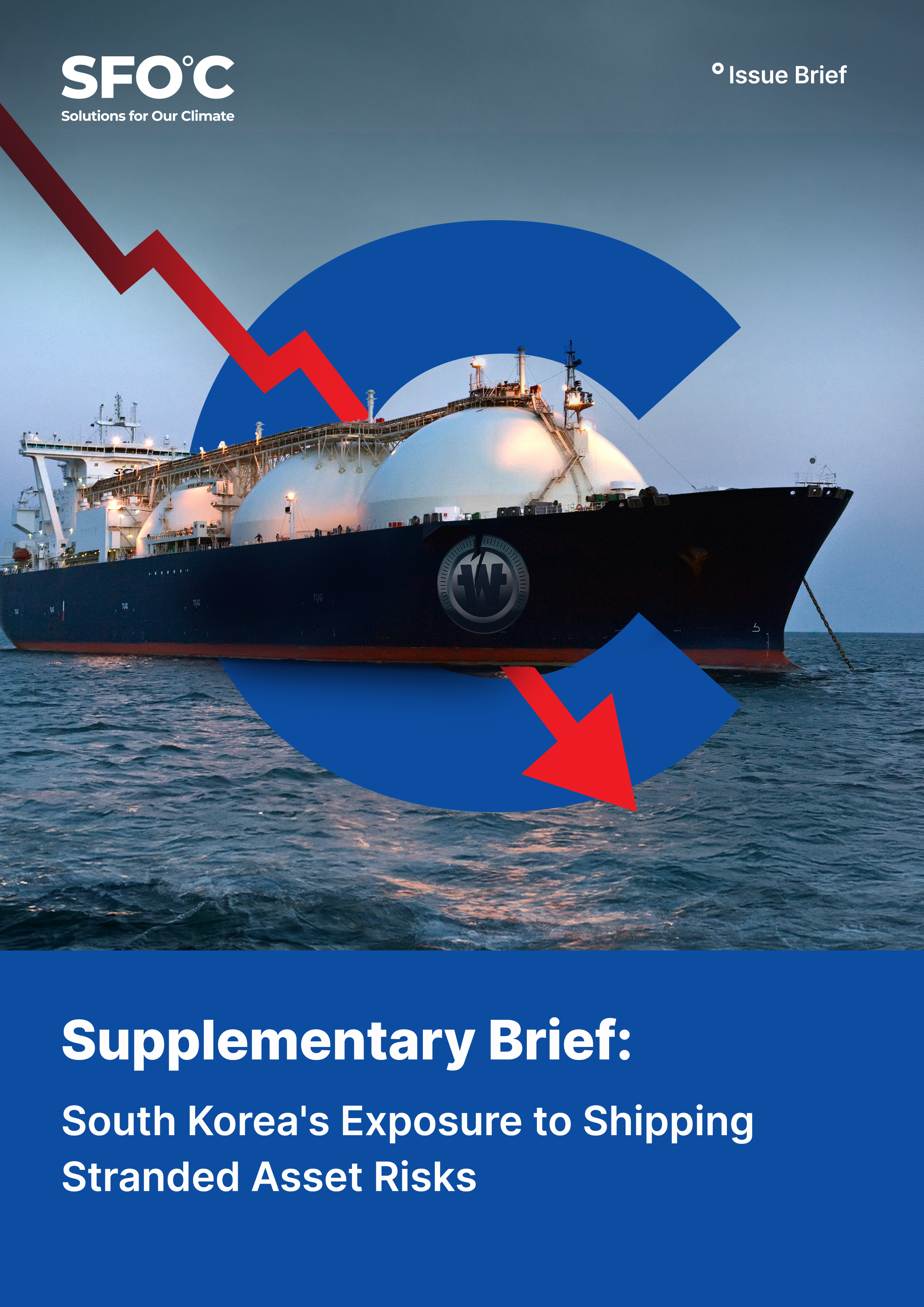
Supplementary Brief: South Korea's Exposure to Shipping Stranded Asset Risks
2025-10-26
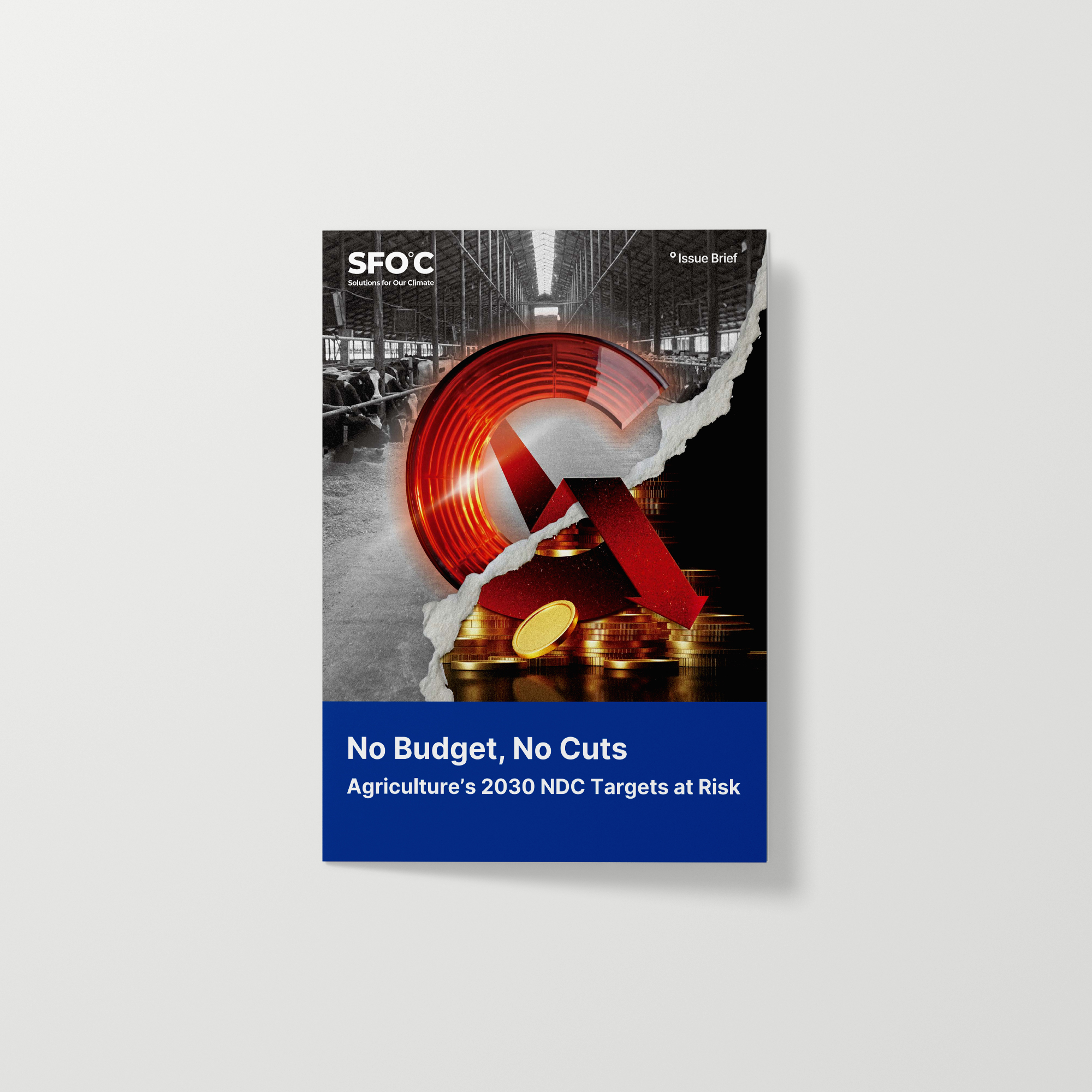
No Budget, No Cuts: Agriculture’s 2030 NDC Targets at Risk
2025-09-16
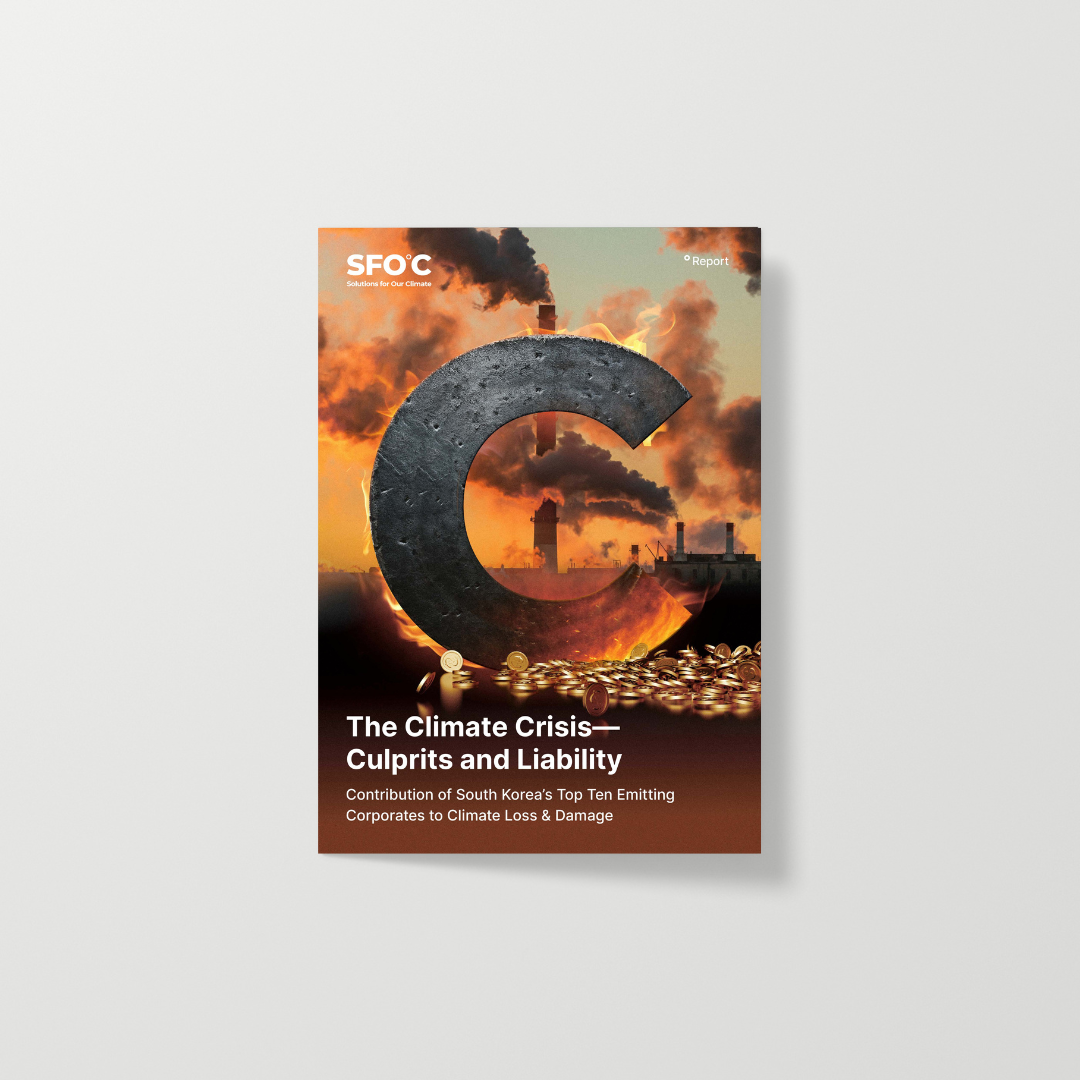
The Climate Crisis—Culprits and Liability: Contribution of South Korea’s Top Ten Emitting Corporates to Climate Loss & Damage
2025-08-10
From Policy to Purchase: Korea and Japan's Green Steel Public Procurement Strategies
2025-07-27
Driving Hydrogen-Based Steelmaking in South Korea: Focus on Hydrogen Sourcing
2025-06-25

No Room for More: Why LNG Carriers Are a Climate and Financial Risk
2025-05-13

Analyzing Korea’s 2035 NDC GHG Emissions Reduction Pathway through an Integrated Assessment Model
2025-04-23

Moving Away from Coal: 2025 POSCO Holdings Climate Risk
2025-03-17

A Sleeping Giant? The National Pension Service’s Missed Potential on Climate Action
2025-03-11

Hyundai Steel's Insufficient Decarbonization Roadmap: A Setback to Hyundai Motor Company’s Net Zero Ambitions?
2025-01-23

Extending the Lifespan of Gwangyang No.2 Blast Furnace: A Backward Step for Carbon Neutrality
2024-10-28

Bridging the Nature Finance Gap: Aligning South Korean Banks with the Global Biodiversity Framework
2024-10-27

Enabling the Green Steel Future - Unlocking Government-led Investment in Core Technology Development for Carbon Neutrality
2024-07-31
Green Steel Economics - Comparing Economics of Green H2-DRI and Traditional Steelmaking Around the World
2024-07-31

End the Free Emissions: Recommendations for Reforming K-ETS Based on Market Activation Scenario Analysis
2024-06-12

LNG運搬船: 世界のガス取引を拡大させる海上パイプライン ――影の推進者を明らかにする
2024-06-12
![[Brief] South Korea’s international public finance continues to block a just energy transition](https://content.sfoc.tapahalab.com/images/research/RC5Kime.jpg)
[Brief] South Korea’s international public finance continues to block a just energy transition
2024-04-02

Exploring Climate Risk and Its Potential Financial Impacts with POSCO Holdings
2024-03-19

POSCO Profile No. 2 - The Journey Toward Greenwashing: Greenate
2024-03-15

POSCO Profile No. 1 - Coal Tomorrow with POSCO: Doubts Rising on Korean Steelmaker’s Net-Zero Future
2023-10-06
![[Report] The Inconsistent 'Coal-Free Pledge' of Korea's National Pension Service](https://content.sfoc.tapahalab.com/images/research/VcDPdme.jpg)
[Report] The Inconsistent 'Coal-Free Pledge' of Korea's National Pension Service
2023-06-20

Industry Trends Brief No.1: Korean Government's Low Carbon Steel Production Strategy
2023-04-17
![[CREA-SFOC] Unveiling the Truth Behind Blast Furnace Pollution_South Korea](https://content.sfoc.tapahalab.com/images/research/C4Xvdme.jpg)
[CREA-SFOC] Unveiling the Truth Behind Blast Furnace Pollution_South Korea
2022-11-28

Revisiting Korean Green Public Procurement Policies to Promote Green Steel Demand
2022-08-10

National Development Banks and the Climate Crisis
2022-06-13

Steel Sector Pathways for Korea's 2050 Carbon Neutrality
2022-03-14

Climate Risk Management in Financial Sector and the Role of Pension Funds
2022-02-10

Opportunities and Challenges for the Steel Industry to Become Carbon Neutral by 2050
2021-11-25

The South Korea Steel Industry and Carbon Neutrality: Responses, Issues and Policy Recommendations
2021-11-25
![[토론회] 한국형 녹색분류체계(K-Taxonomy), 무엇이 녹색경제활동인가](https://content.sfoc.tapahalab.com/images/research/bn8jdme.jpg)
[토론회] 한국형 녹색분류체계(K-Taxonomy), 무엇이 녹색경제활동인가
2021-11-23

Fueling the Climate Crisis_South Korea's Public Financing for Oil and Gas
2021-08-31


