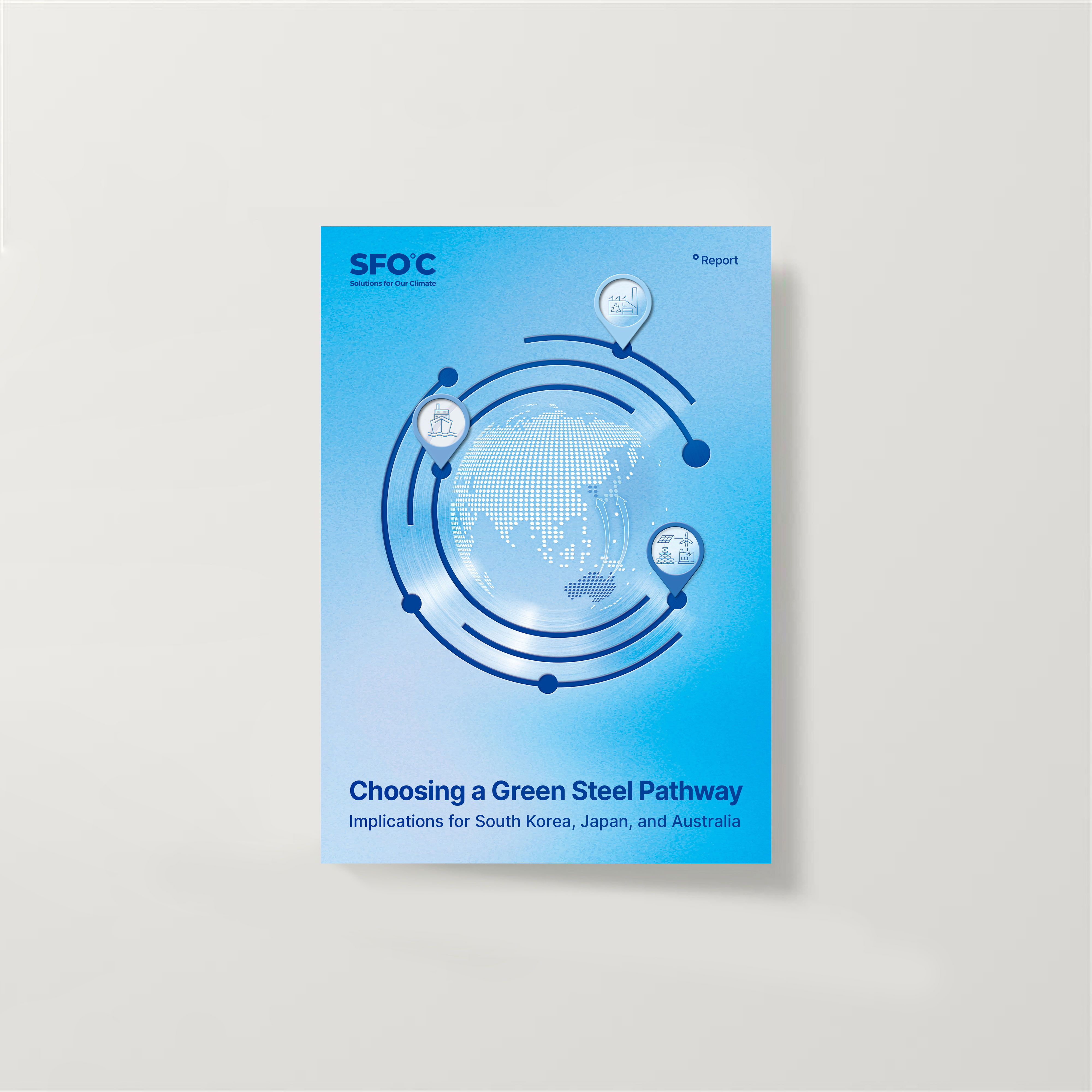
As South Korea develops its national green steel standard, new analysis urges adopting credible certification rules that support industrial transformation rather than prolonging blast furnace production.
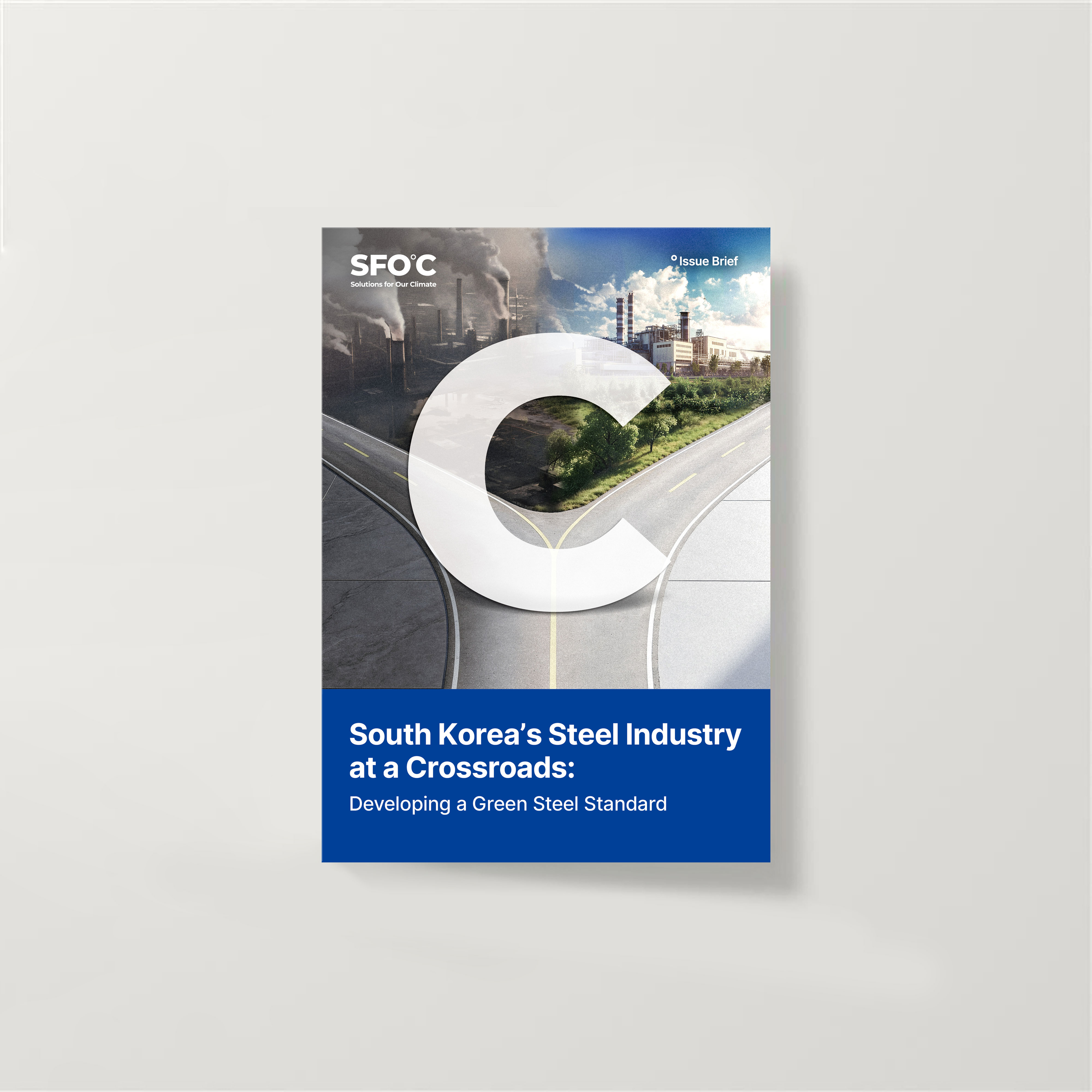
July 10, 2026 (SEOUL) – As South Korea develops its first national green steel standard to support hydrogen-based steelmaking, a new issue brief published by Solutions for Our Climate (SFOC) finds that weak certification rules risk undermining the standard's role as a driver of industrial transformation by allowing carbon-intensive blast furnace steel to be labelled as "green".
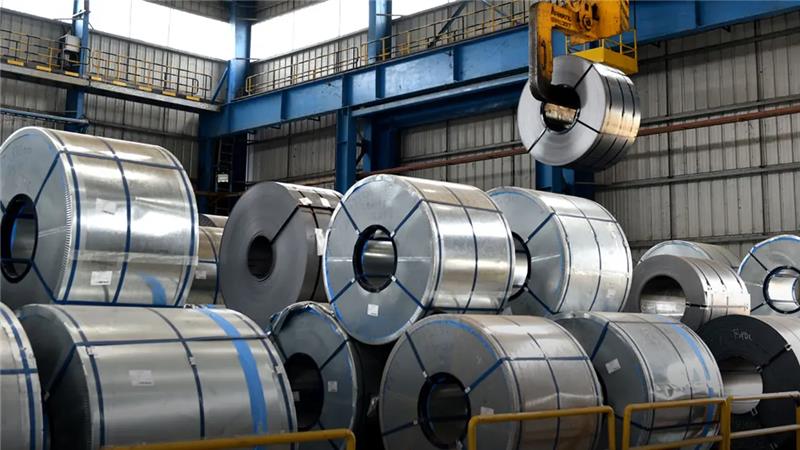
South Korea is the world’s sixth-largest steel producer, but maintaining its competitiveness will increasingly depend on its ability to demonstrate credible low-carbon steel production. The country’s steel industry accounts for 14% of its greenhouse gas emissions and 40% of industrial emissions, yet around 70% of crude steel is still produced through carbon-intensive blast furnace (BF) processes. As international markets tighten climate requirements and demand more low-carbon steel, the government is advancing the K-GX (Korean Green Transformation) program and the K-Steel Act to support a transition to hydrogen-based direct reduced iron (H₂-DRI).
The success of these initiatives will depend on the design of South Korea's green steel standard. A weak green steel standard would have consequences far beyond product certification. Allowing steel produced through conventional blast furnace (BF) processes to qualify as green steel could weaken incentives to invest in transformative technologies such as H₂-DRI, slowing the industry's long-term transition. It could also erode confidence in South Korea's emerging green steel market, creating uncertainty for buyers and investors while making it more difficult for South Korean steelmakers to demonstrate credible low-carbon performance in international markets. As global trade incorporates more carbon-related requirements, including the EU's Carbon Border Adjustment Mechanism (CBAM), credible emissions standards will become essential for strengthening export competitiveness.
South Korea should establish clear, performance-based carbon-intensity thresholds that distinguish low-emission steelmaking from incremental improvements to conventional blast furnace production. The standard should align with international principles and emerging frameworks recognized by the International Energy Agency (IEA), ResponsibleSteel, and the Low Emission Steel Standard (LESS). It should also adopt product-level carbon intensity accounting with physical traceability to strengthen credibility, rather than mass-balance approaches that allow emissions reductions to be allocated across products.
With carbon intensity playing a growing role in global trade and procurement, the way South Korea defines its green steel standard will determine whether the country's steel industry strengthens its long-term competitiveness by accelerating the transition to low-emission steelmaking or instead reinforces continued reliance on carbon-intensive blast furnace production.
Chuyi Lu, a Program Officer at Solutions for Our Climate (SFOC), said, “The green steel standard that South Korea adopts today will shape the future of its steel industry. A credible standard should accelerate the transition to genuinely low-emission steelmaking by rewarding technological transformation rather than incremental improvements to conventional blast furnace production. Allowing mass-balance approaches to qualify for green steel recognition risks weakening that transition by reducing incentives to invest in technologies such as H₂-DRI.”
The full report is available here: South Korea’s Steel Industry at a Crossroads: Developing a Credible Green Steel Standard
ENDS.
Solutions for Our Climate (SFOC) is an independent nonprofit organization that works to accelerate global greenhouse gas emissions reduction and energy transition. SFOC leverages research, litigation, community organizing, and strategic communications to deliver practical climate solutions and build movements for change.
For media inquiries, please reach out to:
Yan Liang, International Communications Officer, yan.liang@forourclimate.org
Share this insights
![[SFOC] Hidden Methane Emissions, Tangible Economic Costs: Lost Fuel Value and Heatwave-Related Climate Damages from Korea’s Imported Fossil Fuel Supply Chains](https://content.forourclimate.org/images/research/GbNyzaf.jpg)






![[CREA-SFOC] Unveiling the Truth Behind Blast Furnace Pollution_South Korea](https://content.sfoc.tapahalab.com/images/research/C4Xvdme.jpg)


![[이슈 브리프] 탈석탄 투자 가이드라인](https://content.sfoc.tapahalab.com/images/research/tJRidme.jpg)
![[이슈 브리프] 신설 석탄발전소 가치평가 결과와 시사점](https://content.sfoc.tapahalab.com/images/research/nQCGime.jpg)


