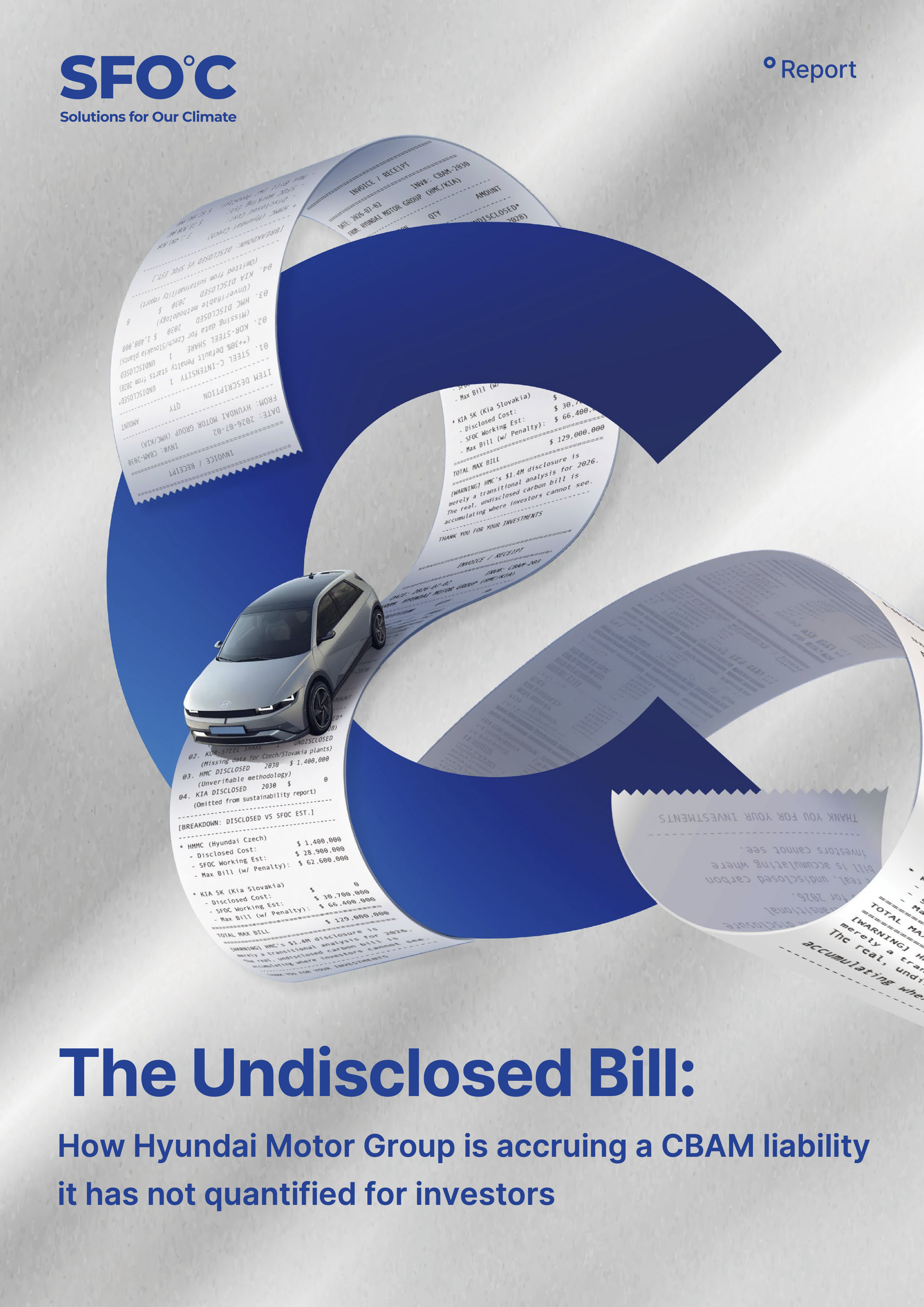
The Undisclosed Bill: How Hyundai Motor Group is accruing a CBAM liability it has not quantified for investors

About
The EU's Carbon Border Adjustment Mechanism (CBAM) entered its definitive phase in January 2026, creating a new carbon cost for imports of emissions-intensive products into the European Union. For Korean automotive manufacturers with European assembly hubs, the carbon cost embedded in imported steel is becoming an increasingly important financial consideration.
Despite its growing relevance, public disclosure on future CBAM liabilities remains limited. Hyundai Motor Company has disclosed a projected CBAM-related cost as of 2030, while Kia has not published a comparable estimate. Existing disclosures also provide little information on the underlying assumptions, methodologies, or key variables used to derive these figures.
This report examines the potential steel-related CBAM exposure of Hyundai Motor Group's European operations and identifies the disclosure gaps that currently prevent investors from independently assessing these future liabilities. It also highlights inconsistencies between existing corporate disclosures and previous research on steel consumption within Hyundai Motor Group.
Using publicly available data, the report develops a transparent scenario-based financial model to estimate a range of potential steel-related CBAM costs under different assumptions. The analysis discusses the key drivers of future liabilities—including embedded emissions, production pathways, procurement choices, EUA price trajectories, and regulatory developments—while clearly explaining the limitations and uncertainties of the modeling approach.
In addition, the report outlines the information investors would need to independently evaluate CBAM-related financial exposure, including verified carbon intensity, steel sourcing, production routes, imported product scope, modeling assumptions, and disclosure methodologies. It also explains the current treatment of Korean ETS deductions under Regulation (EU) 2023/956 and identifies regulatory developments that may affect future calculations.
Overall, the report provides a practical framework for understanding how CBAM may affect Hyundai Motor Group's steel-related costs and demonstrates why greater transparency is needed for investors to assess climate-related financial risk.
Download report
Press release
Related research
Choosing a Green Steel Pathway : Implications for South Korea, Japan, and Australia
2026-09-14
Hidden Methane Emissions, Tangible Economic Costs: Lost Fuel Value and Heatwave-Related Climate Damages from Japan’s Imported Fossil Fuel Supply Chains
2026-08-03
![[SFOC] Hidden Methane Emissions, Tangible Economic Costs: Lost Fuel Value and Heatwave-Related Climate Damages from Korea’s Imported Fossil Fuel Supply Chains](https://content.forourclimate.org/images/research/yUNyzaf.jpg)
[SFOC] Hidden Methane Emissions, Tangible Economic Costs: Lost Fuel Value and Heatwave-Related Climate Damages from Korea’s Imported Fossil Fuel Supply Chains
2026-08-03
KEPCO’s Financial Risks: When State-Owned Utilities Become an Economic Drag
2026-07-23
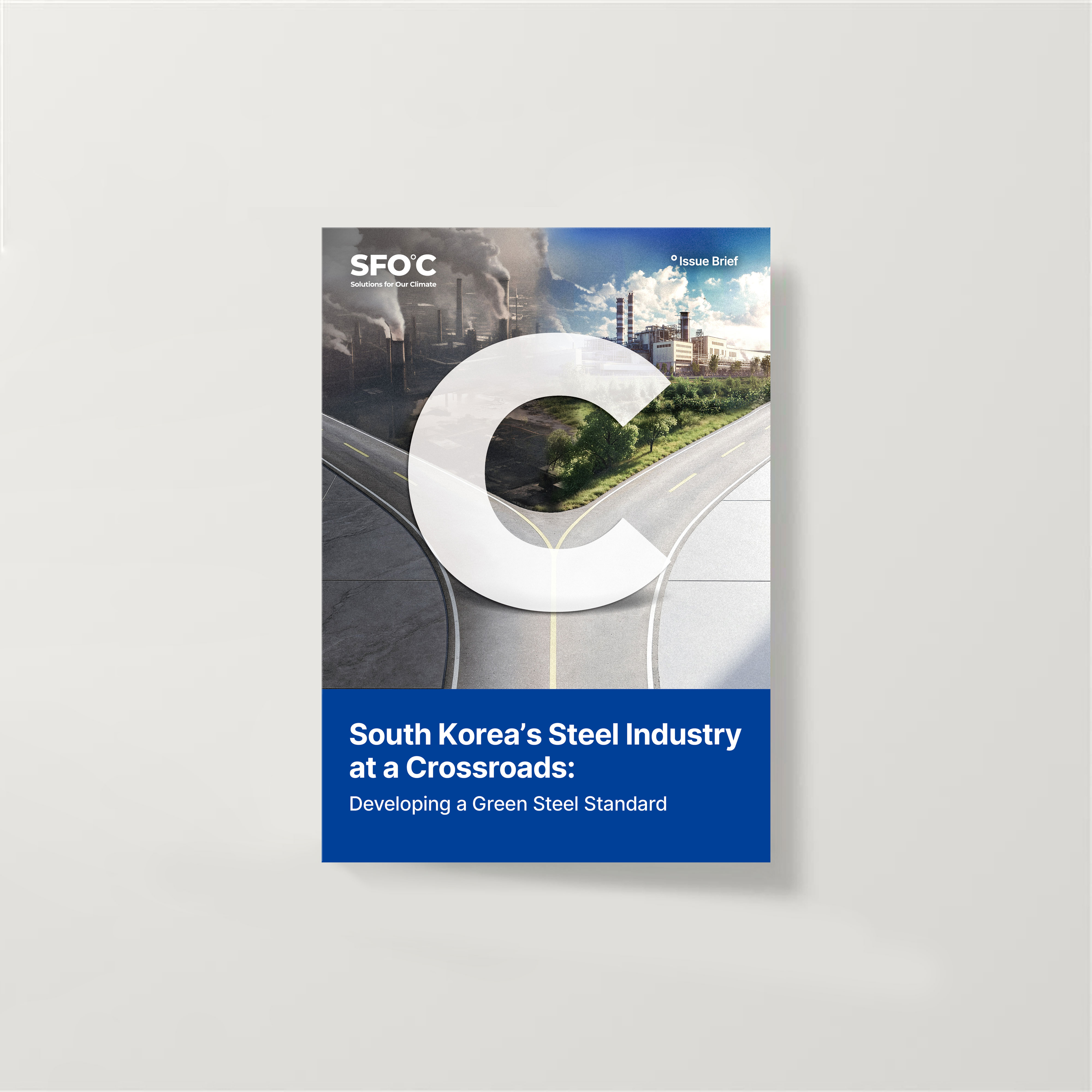
South Korea’s Steel Industry at a Crossroads: Developing a Credible Green Steel Standard
2026-07-09
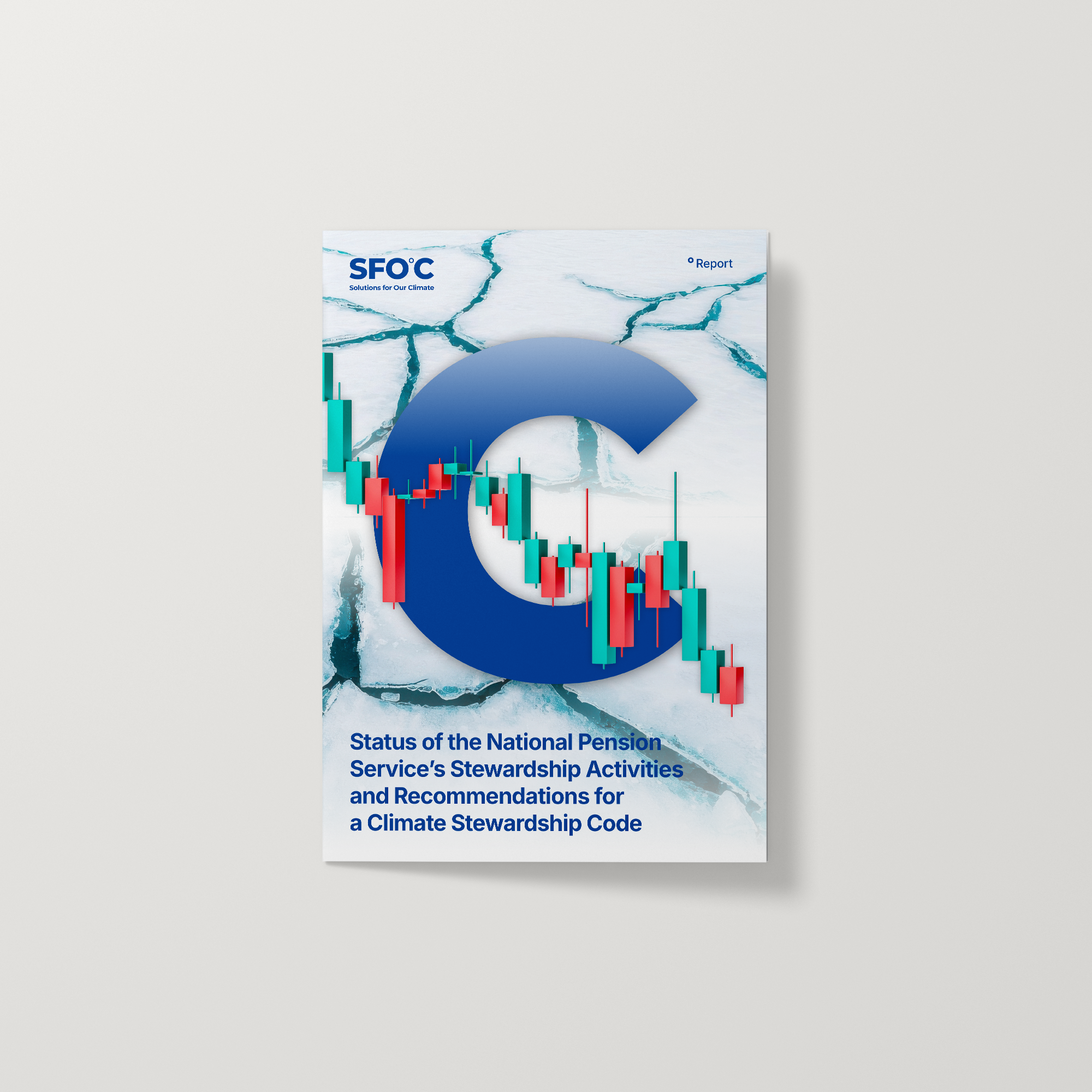
Status of the National Pension Service’s Stewardship Activities and Recommendations for a Climate Stewardship Code
2026-07-06
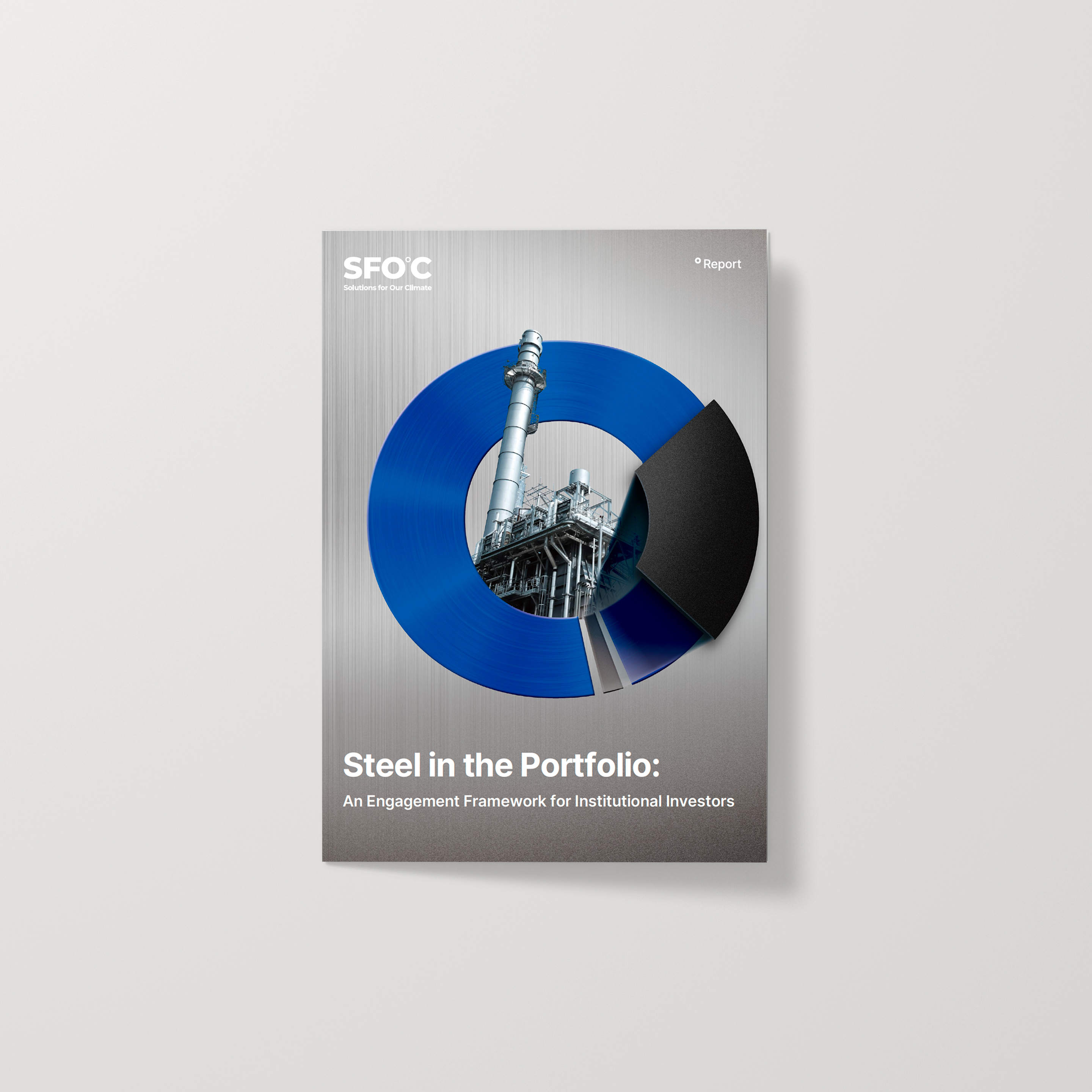
Steel in the Portfolio: An Engagement Framework for Institutional Investors
2026-06-16
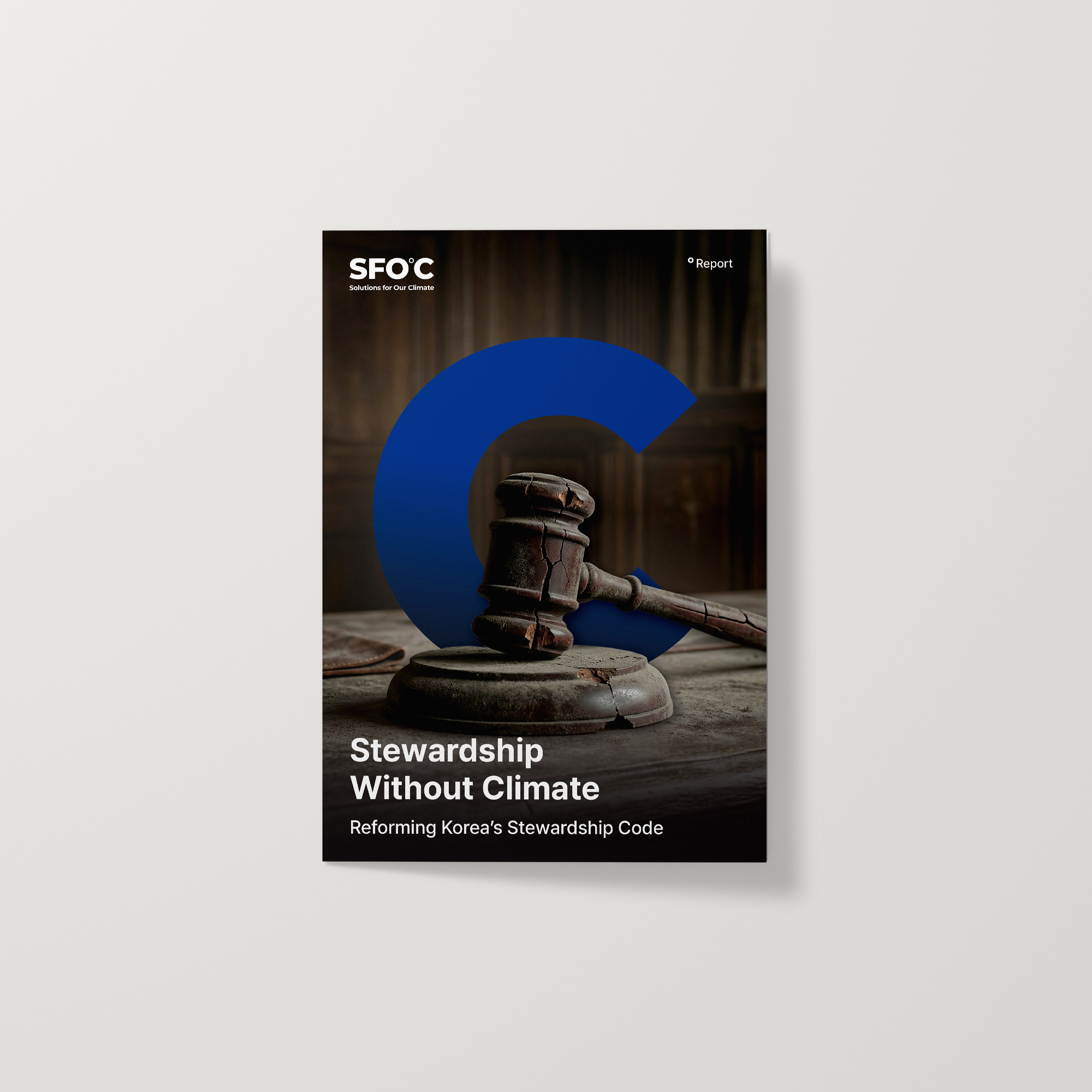
Stewardship Without Climate : Reforming Korea’s Stewardship Code
2026-05-13
Financing Strategies for Coal Phase-Out: Germany's Sovereign Green Bond Model and Implications for South Korea
2026-04-21
An Assessment of Environmental and Social Impacts of LNG Carriers
2026-04-06
Recurring Crisis, Delayed Transition: From Fossil Fuel Dependence to Energy Independence
2026-03-18
When Climate Leadership Stops at Steel: East Asian Automakers and Steel Supply Chain Decarbonization
2026-03-08
Empty Seats at the Climate Table : Board Oversight Gaps in Hyundai Motor Company's Climate Governance
2026-03-03

REthinking Hyundai’s ‘eco’ steel: How fossil fuels threaten the brand
2026-02-13
The Cost of Delay: Socioeconomic Impacts of Steel Decarbonization in South Korea
2026-01-26
Government Financing for H₂-DRI Commercialization: Comparative Risk-Sharing Cases and Implications for Korea
2026-01-26
The Changing Legal Landscape for LNG Shipping Expansion
2026-01-08
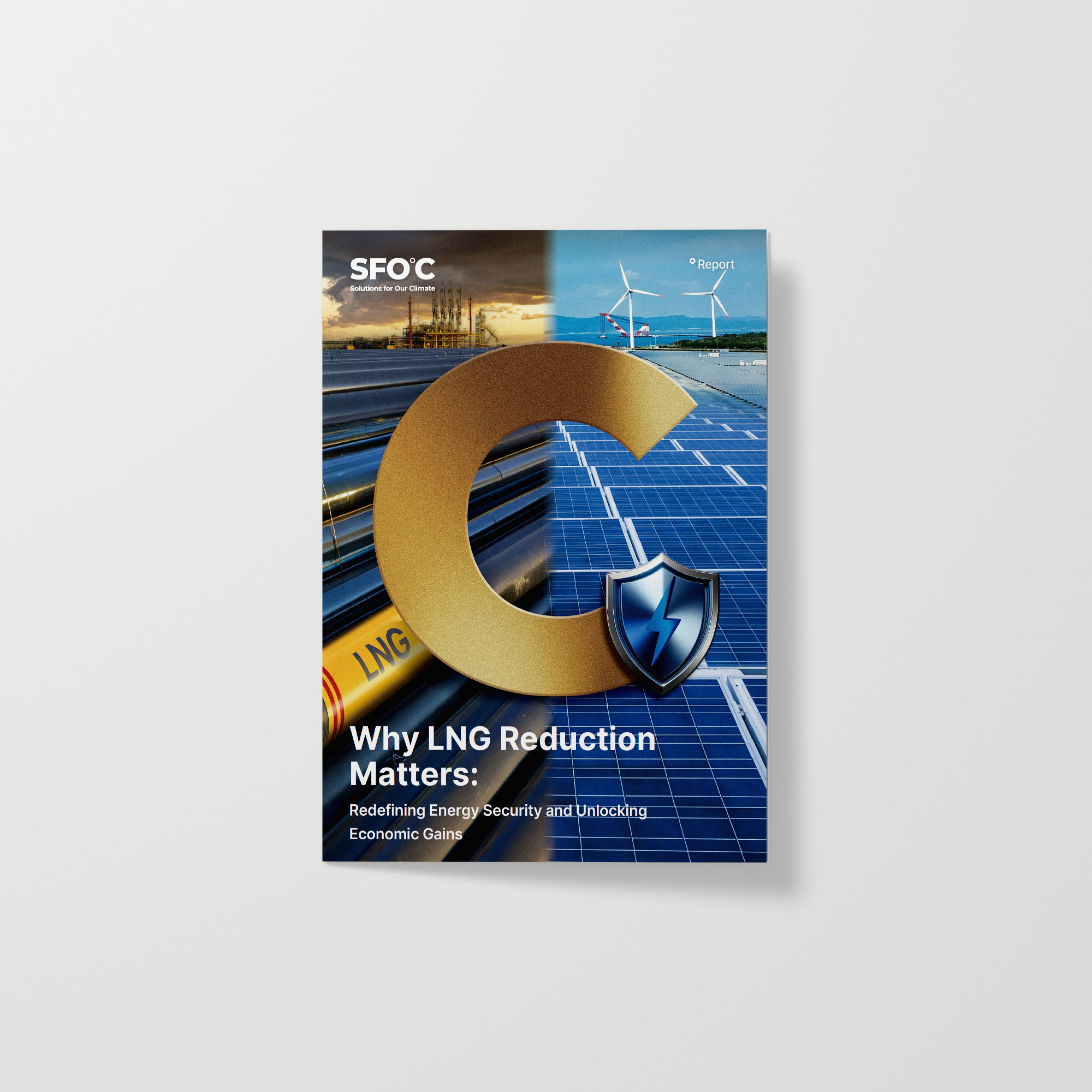
Why LNG Reduction Matters: Redefining Energy Security and Unlocking Economic Gains
2025-12-08
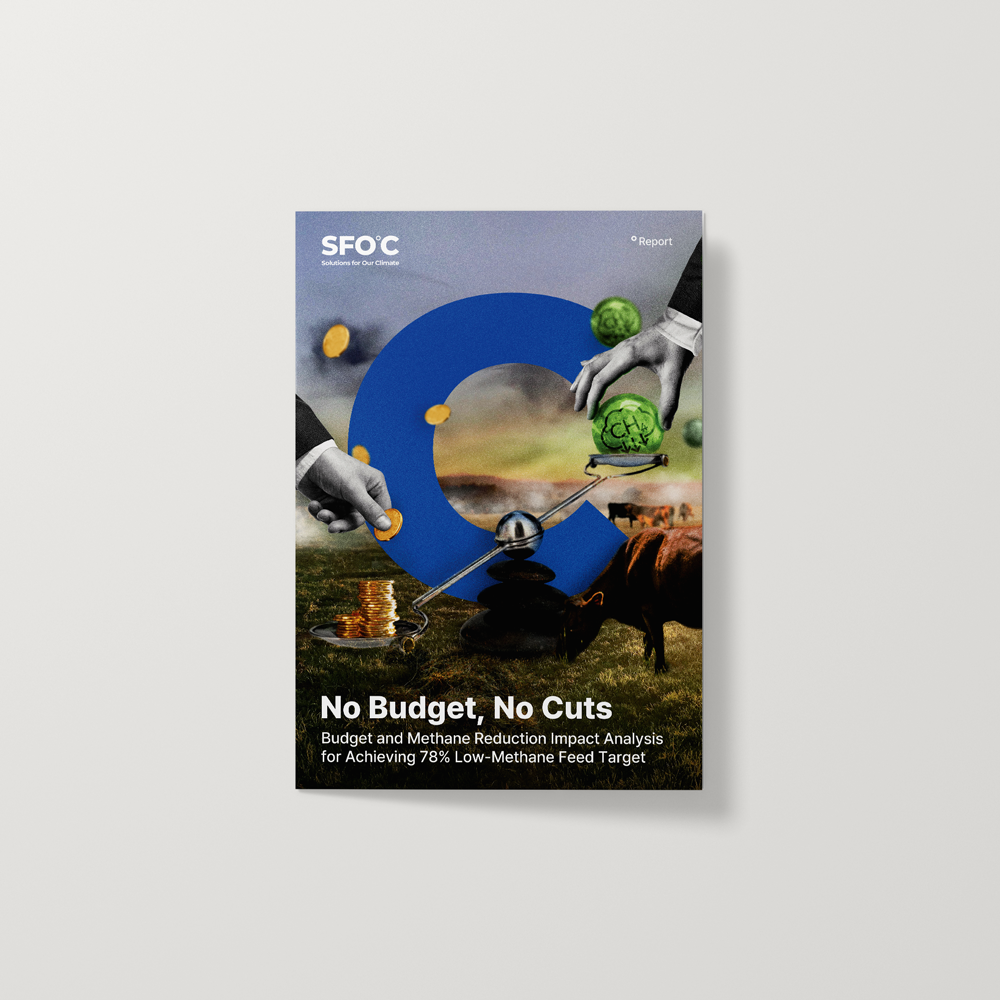
No Budget, No Cuts: Budget and Methane Reduction Impact Analysis for Achieving 78% Low-Methane Feed Supply Target
2025-12-03
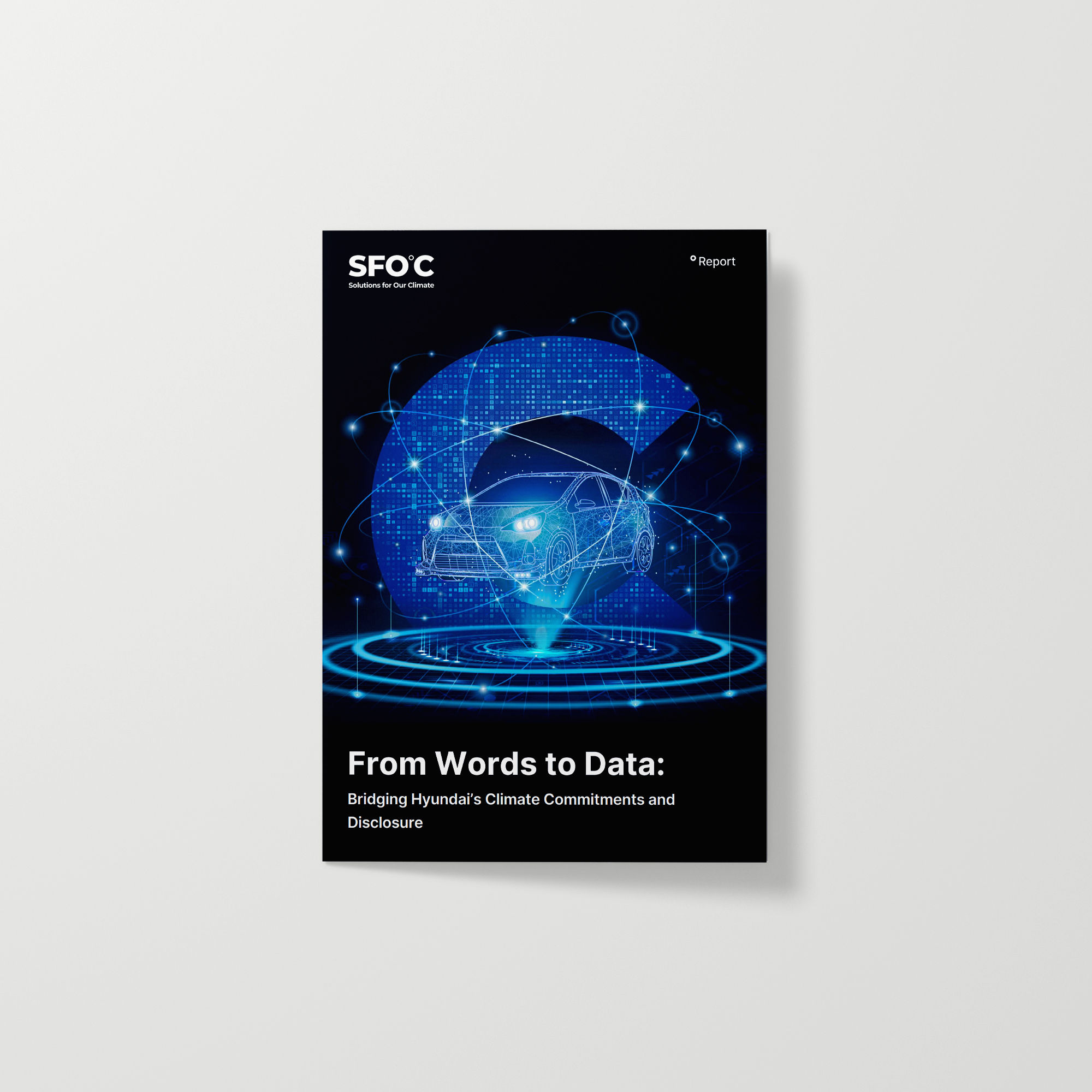
From Words to Data: Bridging Hyundai’s Climate Commitments and Disclosure
2025-11-28
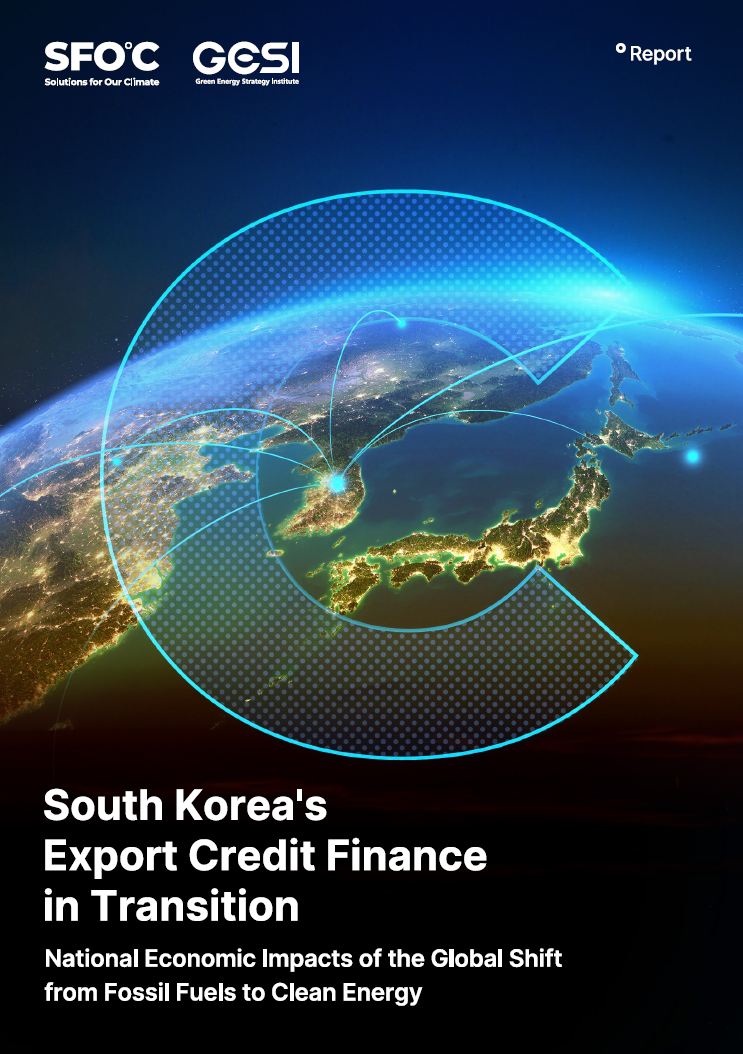
South Korea’s Export Credit Finance in Transition: National Economic Impacts of the Global Shift from Fossil Fuels to Clean Energy
2025-11-16
Exposed: Overcompensation of KEPCO's Coal Fired Power Plants
2025-11-10
Supplementary Brief: South Korea's Exposure to Shipping Stranded Asset Risks
2025-10-26
Mobilizing Finance for Korea's Coal Phase-Out: What International Experience Shows
2025-10-20
No Budget, No Cuts: Agriculture’s 2030 NDC Targets at Risk
2025-09-16
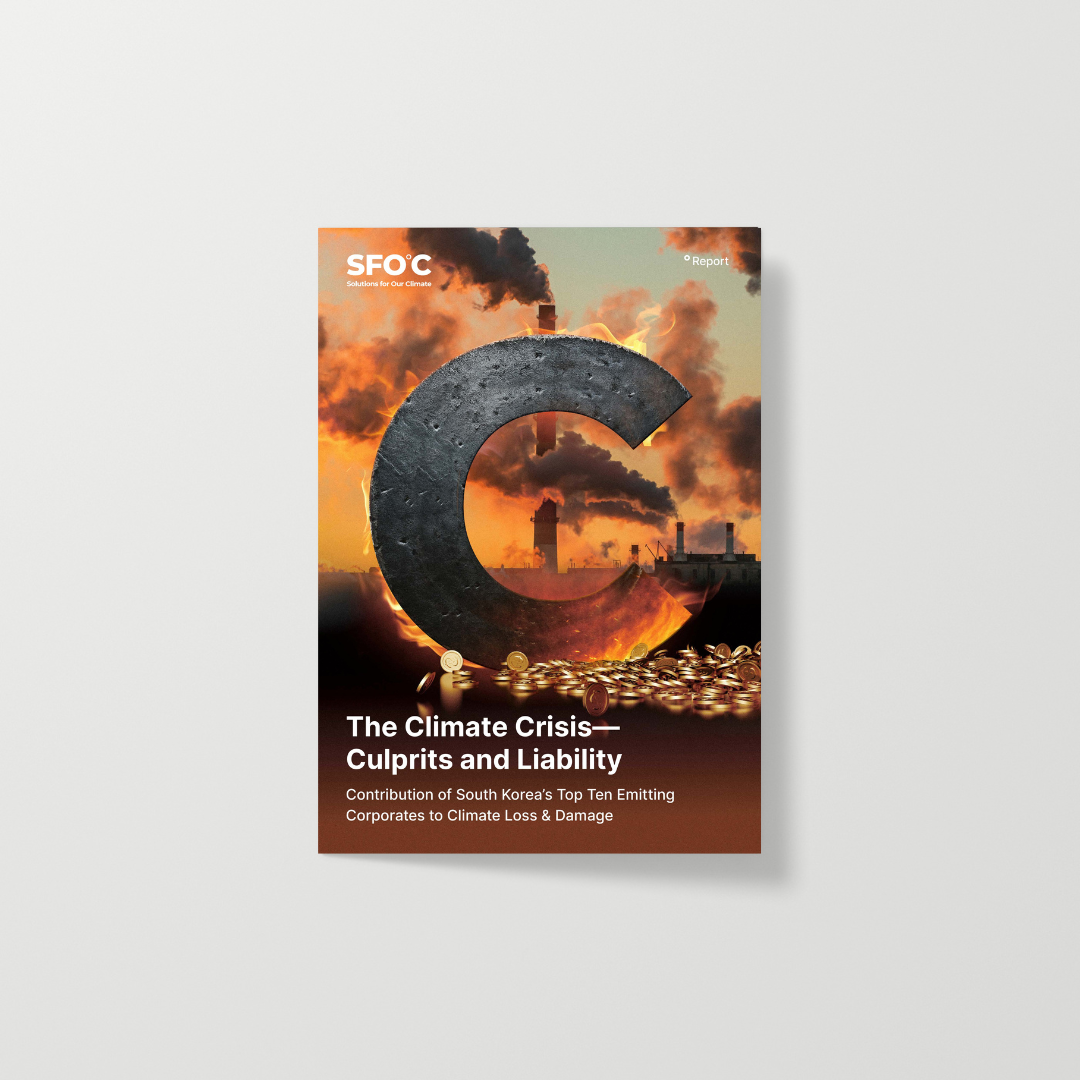
The Climate Crisis—Culprits and Liability: Contribution of South Korea’s Top Ten Emitting Corporates to Climate Loss & Damage
2025-08-10
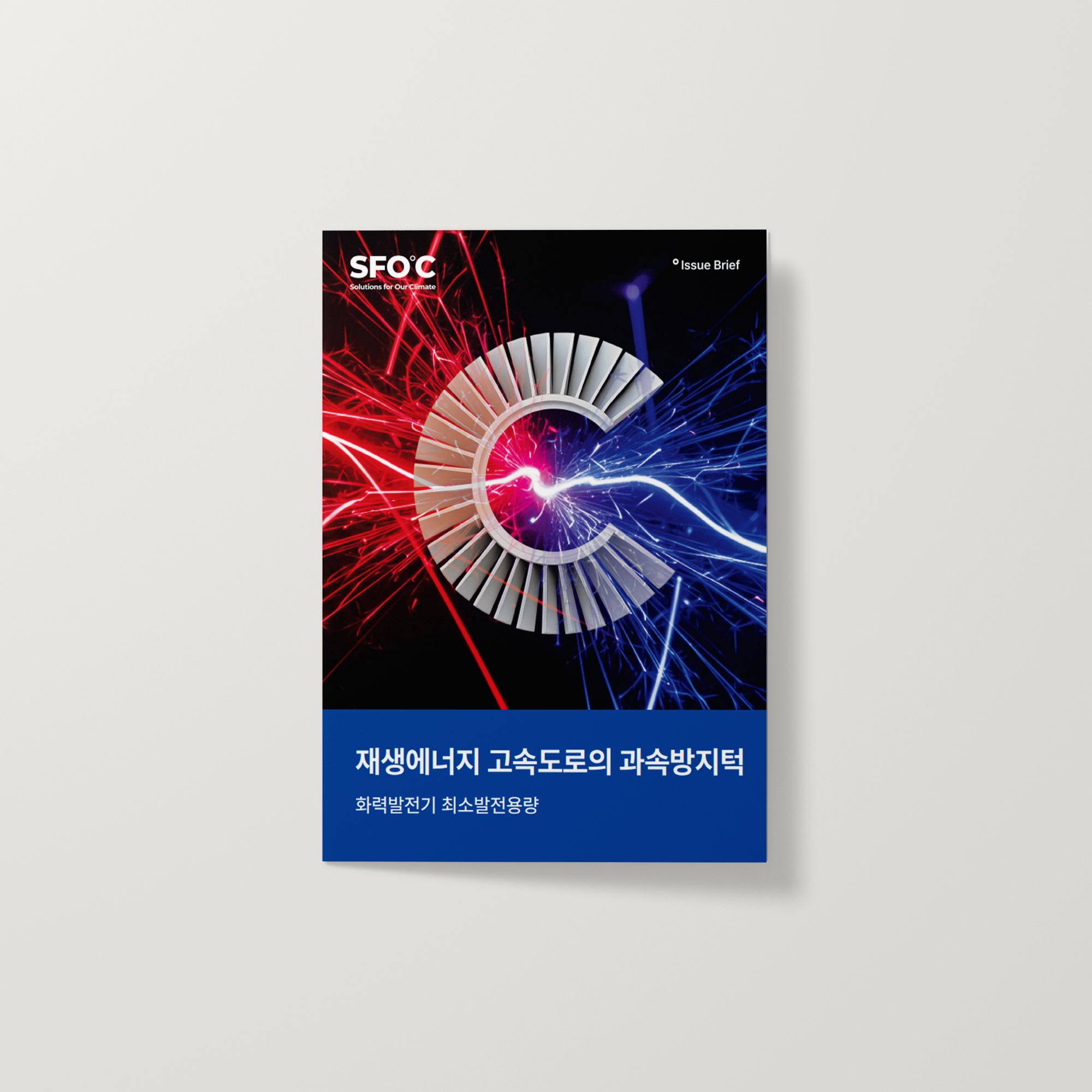
Speed Bumps on the Renewable Energy Highway: Minimum Generation Levels of Thermal Power Plants
2025-08-05
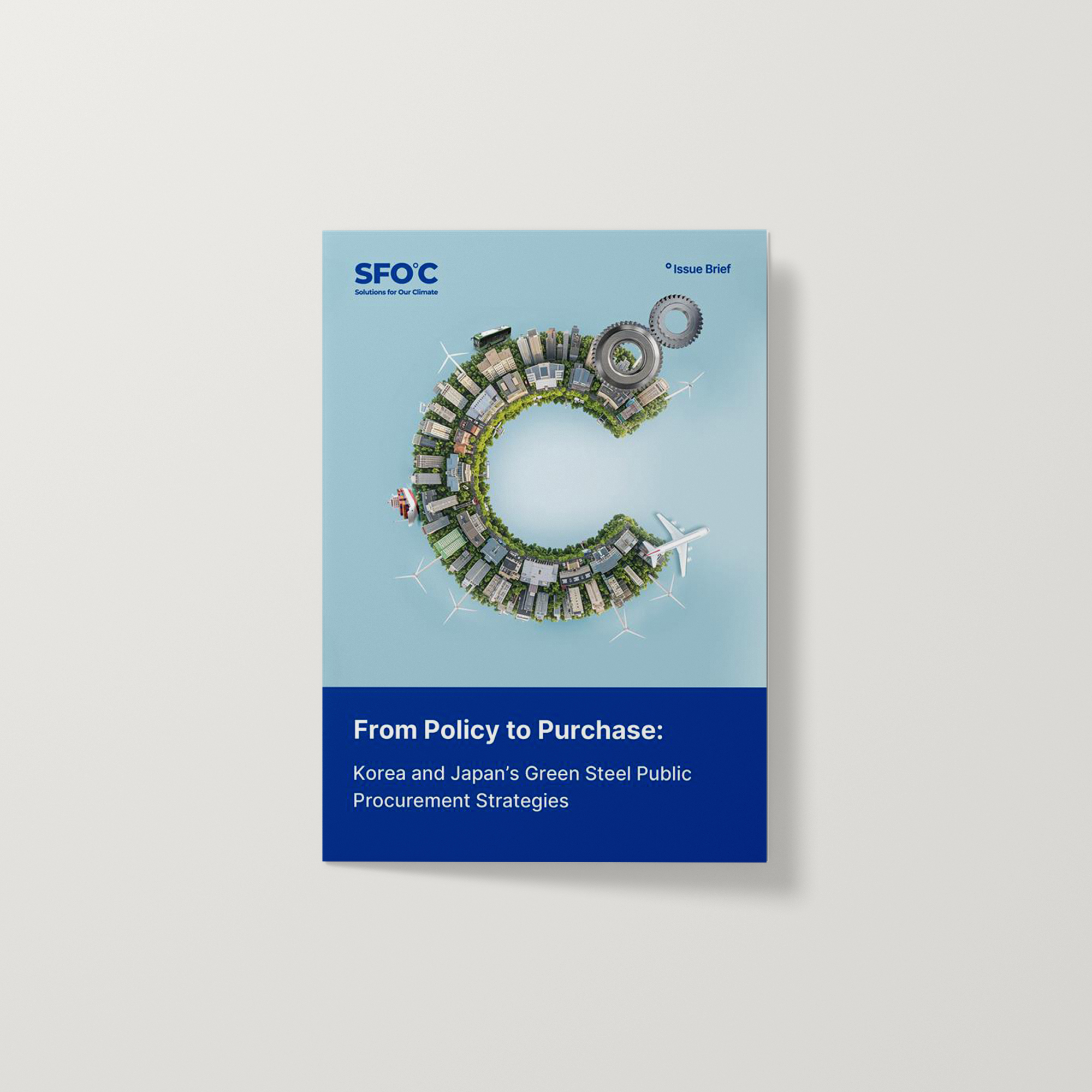
From Policy to Purchase: Korea and Japan's Green Steel Public Procurement Strategies
2025-07-27
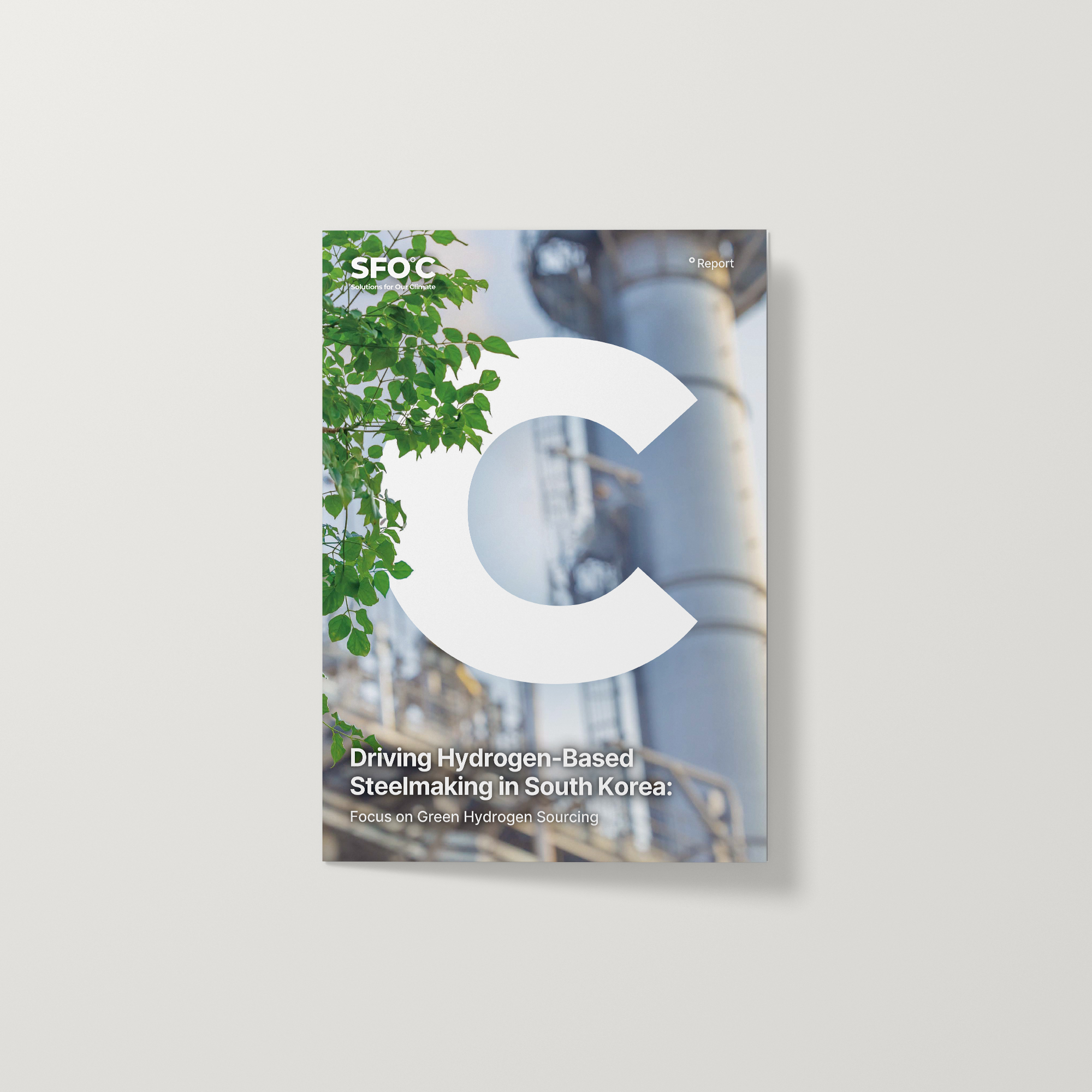
Driving Hydrogen-Based Steelmaking in South Korea: Focus on Hydrogen Sourcing
2025-06-25

No Room for More: Why LNG Carriers Are a Climate and Financial Risk
2025-05-13

Analyzing Korea’s 2035 NDC GHG Emissions Reduction Pathway through an Integrated Assessment Model
2025-04-23

Capitalizing on Coal: How Global Investors and Underwriters Enable KEPCO to Abandon the Sustainability Path
2025-03-20

Moving Away from Coal: 2025 POSCO Holdings Climate Risk
2025-03-17

A Sleeping Giant? The National Pension Service’s Missed Potential on Climate Action
2025-03-11

Hyundai Steel's Insufficient Decarbonization Roadmap: A Setback to Hyundai Motor Company’s Net Zero Ambitions?
2025-01-23

Extending the Lifespan of Gwangyang No.2 Blast Furnace: A Backward Step for Carbon Neutrality
2024-10-28

Bridging the Nature Finance Gap: Aligning South Korean Banks with the Global Biodiversity Framework
2024-10-27

A Study on South Korea's 2050 Net Zero Pathway for Shipping
2024-09-25

Enabling the Green Steel Future - Unlocking Government-led Investment in Core Technology Development for Carbon Neutrality
2024-07-31
Green Steel Economics - Comparing Economics of Green H2-DRI and Traditional Steelmaking Around the World
2024-07-31

End the Free Emissions: Recommendations for Reforming K-ETS Based on Market Activation Scenario Analysis
2024-06-12

LNG運搬船: 世界のガス取引を拡大させる海上パイプライン ――影の推進者を明らかにする
2024-06-12

Three Unseen Flaws of the Boryeong Blue Hydrogen Project in South Korea
2024-05-26

Threat of Toxic Substances: Increased Particulate Matter and Health Hazards from Ammonia Co-firing
2024-05-22
![[Brief] South Korea’s international public finance continues to block a just energy transition](https://content.sfoc.tapahalab.com/images/research/RC5Kime.jpg)
[Brief] South Korea’s international public finance continues to block a just energy transition
2024-04-02

Exploring Climate Risk and Its Potential Financial Impacts with POSCO Holdings
2024-03-19

POSCO Profile No. 2 - The Journey Toward Greenwashing: Greenate
2024-03-15

POSCO Profile No. 1 - Coal Tomorrow with POSCO: Doubts Rising on Korean Steelmaker’s Net-Zero Future
2023-10-06
![[Report] The Inconsistent 'Coal-Free Pledge' of Korea's National Pension Service](https://content.sfoc.tapahalab.com/images/research/VcDPdme.jpg)
[Report] The Inconsistent 'Coal-Free Pledge' of Korea's National Pension Service
2023-06-20

Industry Trends Brief No.1: Korean Government's Low Carbon Steel Production Strategy
2023-04-17
![[CREA-SFOC] Unveiling the Truth Behind Blast Furnace Pollution_South Korea](https://content.sfoc.tapahalab.com/images/research/C4Xvdme.jpg)
[CREA-SFOC] Unveiling the Truth Behind Blast Furnace Pollution_South Korea
2022-11-28

Unveiling Fossil Greenwashing: Hidden Emissions of Korea's Hydrogen Scheme
2022-09-13

Revisiting Korean Green Public Procurement Policies to Promote Green Steel Demand
2022-08-10

National Development Banks and the Climate Crisis
2022-06-13

Steel Sector Pathways for Korea's 2050 Carbon Neutrality
2022-03-14

Climate Risk Management in Financial Sector and the Role of Pension Funds
2022-02-10
![[Issue Brief] Assessment of Climate Change Policies of Major South Korean Financial Institutions](https://content.sfoc.tapahalab.com/images/research/a4ondme.jpg)
[Issue Brief] Assessment of Climate Change Policies of Major South Korean Financial Institutions
2022-01-04

Opportunities and Challenges for the Steel Industry to Become Carbon Neutral by 2050
2021-11-25

The South Korea Steel Industry and Carbon Neutrality: Responses, Issues and Policy Recommendations
2021-11-25
![[토론회] 한국형 녹색분류체계(K-Taxonomy), 무엇이 녹색경제활동인가](https://content.sfoc.tapahalab.com/images/research/bn8jdme.jpg)
[토론회] 한국형 녹색분류체계(K-Taxonomy), 무엇이 녹색경제활동인가
2021-11-23
![[이슈 브리프] 탈석탄 투자 가이드라인](https://content.sfoc.tapahalab.com/images/research/tJRidme.jpg)
[이슈 브리프] 탈석탄 투자 가이드라인
2021-09-13
![[이슈 브리프] 신설 석탄발전소 가치평가 결과와 시사점](https://content.sfoc.tapahalab.com/images/research/nQCGime.jpg)
[이슈 브리프] 신설 석탄발전소 가치평가 결과와 시사점
2021-09-06

Fueling the Climate Crisis_South Korea's Public Financing for Oil and Gas
2021-08-31

Employment opportunities from a coal-to-renewables transition in South Korea
2021-07-28


