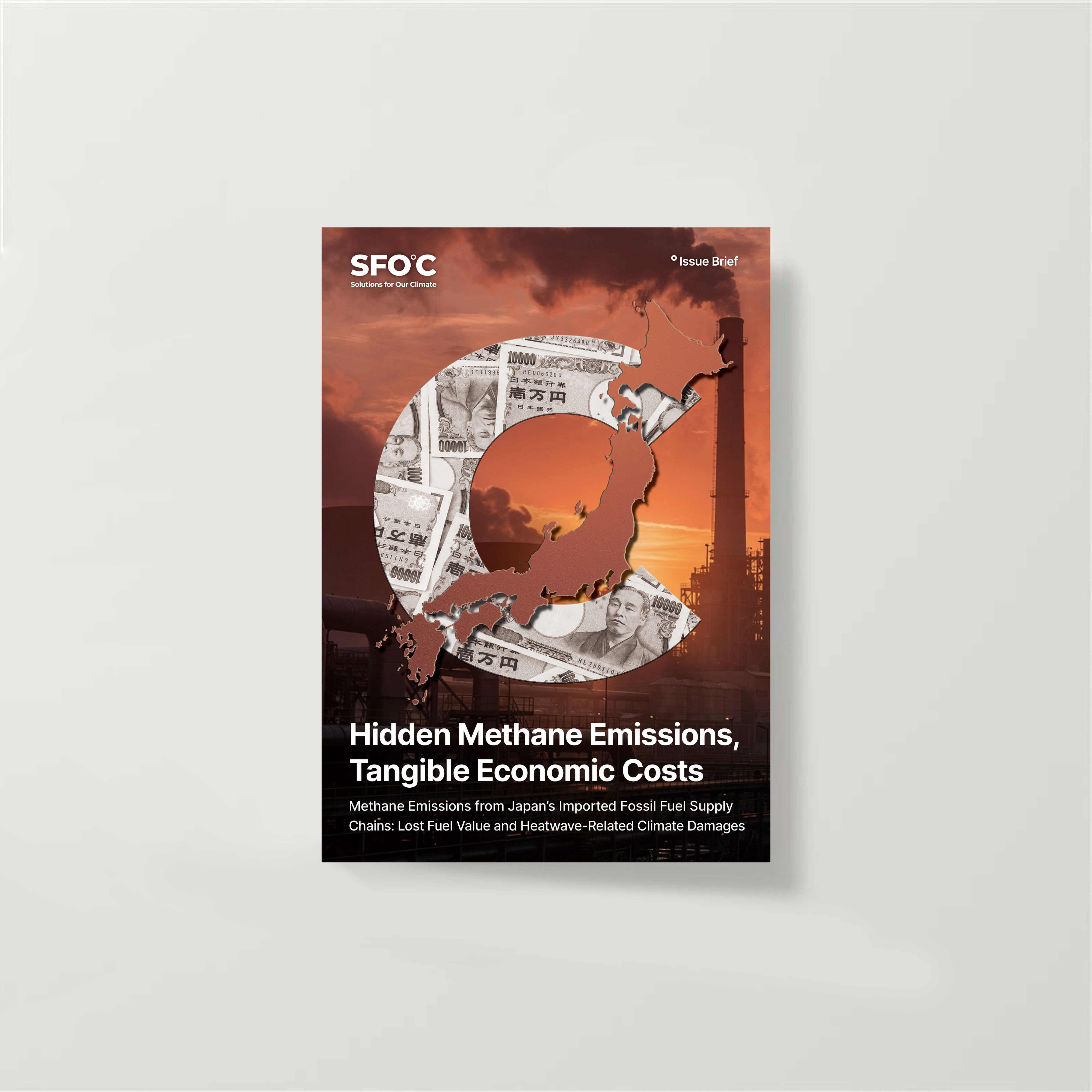
About
Methane is a potent greenhouse gas estimated to have contributed approximately 30% of global warming since industrialization. Given Japan’s high dependence on imported energy, methane management must extend beyond domestic emissions to include supply chain emissions arising from the production, processing, and transportation of crude oil, LNG, and coal. This report quantifies upstream methane emissions associated with Japan’s fossil fuel imports and translates them into lost fuel value and heatwave-related climate damage costs. Based on these findings, it outlines actions that companies and the government can take to reduce energy waste, supply chain risks, and broader social costs.
Download report
- [SFOC] Hidden Methane Emissions, Tangible Economic Costs_Lost Fuel Value and Heatwave-Related Climate Damages from Japan’s Imported Fossil Fuel Supply Chains.pdf
- [SFOC] 見えないメタン排出 、見えてくる経済的コストと資源価値_日本の輸入化石燃料サプライチェーンにおけるメタン排出の燃料価値・猛暑被害分析.pdf
- [SFOC] 보이지 않는 메탄 배출, 드러나는 경제적 비용과 연료 가치_일본 수입 화석연료 공급망의 메탄 배출과 폭염 기후피해 분석.pdf
Executive summary
Japan imports most of the energy it consumes. Methane released during the production, processing, and transport of fossil fuels consumed in Japan also adds to global atmospheric concentrations. Methane management in Japan therefore cannot be limited to asking how much is emitted within its borders; it must also account for the methane emissions driven by Japan’s energy consumption across global supply chains.
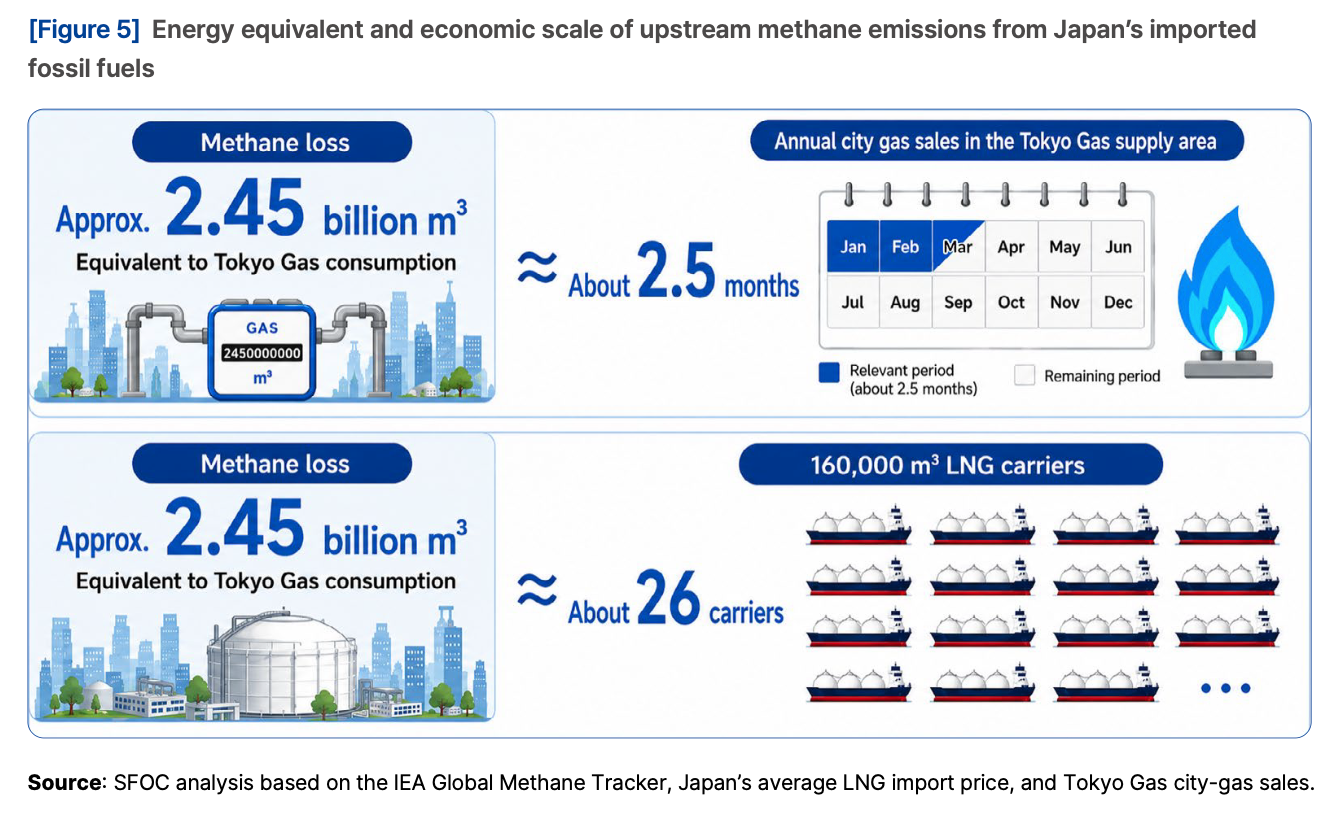
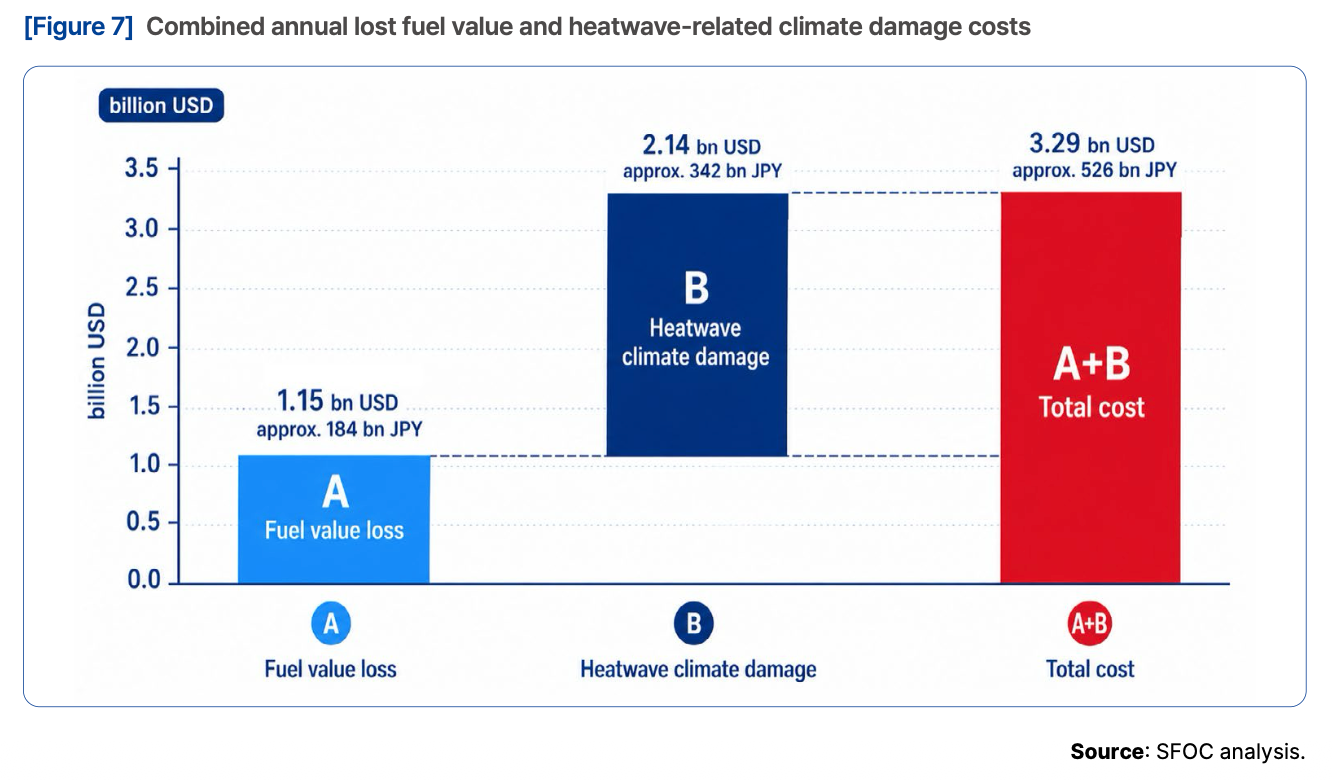
This analysis estimates two dimensions of the economic burden associated with methane. First, using Japan’s 2024 LNG import price as a benchmark, it estimates the fuel value of methane released during fossil fuel production. As the principal component of natural gas, methane emitted to the atmosphere represents energy that could otherwise have been put to productive use. This is an estimate of the energy value and economic scale of wasted methane—not a claim about actual trading losses or fully recoverable revenue. Second, the analysis estimates the heatwave-related climate damage costs that methane emissions impose on Japanese society. Together, the two costs amount to approximately USD 3.29 billion (JPY 526.3 billion) per year.
To reduce this wasted methane, Japanese importers of oil, gas, and coal should first disclose methane emissions arising at the production stage. Companies and the government should then establish targets and standards for managing methane across entire supply chains. Finally, fossil fuel importers should require producers to implement methane-abatement measures. Japan has already helped launch the Coalition for LNG Emission Abatement toward Net-zero (CLEAN) Initiative to manage methane emissions associated with LNG supply. The next step is to translate this approach into procurement standards and corporate disclosure, and to extend it beyond LNG to imported crude oil and coal.
As summers grow hotter, Japanese companies and the government have an opportunity to demonstrate broader climate leadership.
Related research
![[SFOC] Hidden Methane Emissions, Tangible Economic Costs: Lost Fuel Value and Heatwave-Related Climate Damages from Korea’s Imported Fossil Fuel Supply Chains](https://content.forourclimate.org/images/research/yUNyzaf.jpg)
[SFOC] Hidden Methane Emissions, Tangible Economic Costs: Lost Fuel Value and Heatwave-Related Climate Damages from Korea’s Imported Fossil Fuel Supply Chains
2026-08-03
KEPCO’s Financial Risks: When State-Owned Utilities Become an Economic Drag
2026-07-23
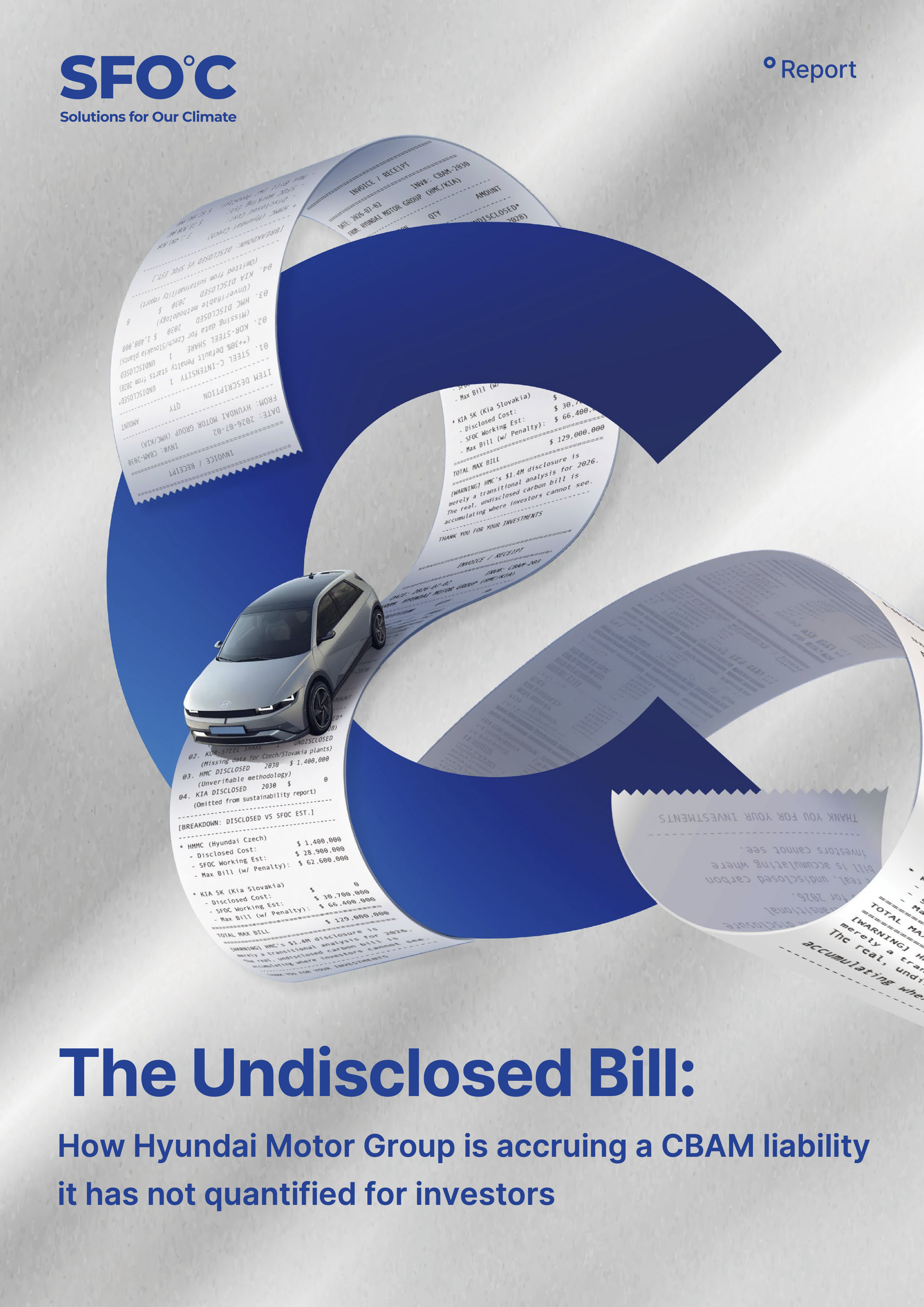
The Undisclosed Bill: How Hyundai Motor Group is accruing a CBAM liability it has not quantified for investors
2026-07-15
Status of the National Pension Service’s Stewardship Activities and Recommendations for a Climate Stewardship Code
2026-07-06
Steel in the Portfolio: An Engagement Framework for Institutional Investors
2026-06-16
Korea's LNG Expansion Paradox: Declining Demand, Growing Infrastructure
2026-06-10
Asia Waste Methane Comparative Analysis Study
2026-06-05
Stewardship Without Climate : Reforming Korea’s Stewardship Code
2026-05-13
Financing Strategies for Coal Phase-Out: Germany's Sovereign Green Bond Model and Implications for South Korea
2026-04-21
An Assessment of Environmental and Social Impacts of LNG Carriers
2026-04-06
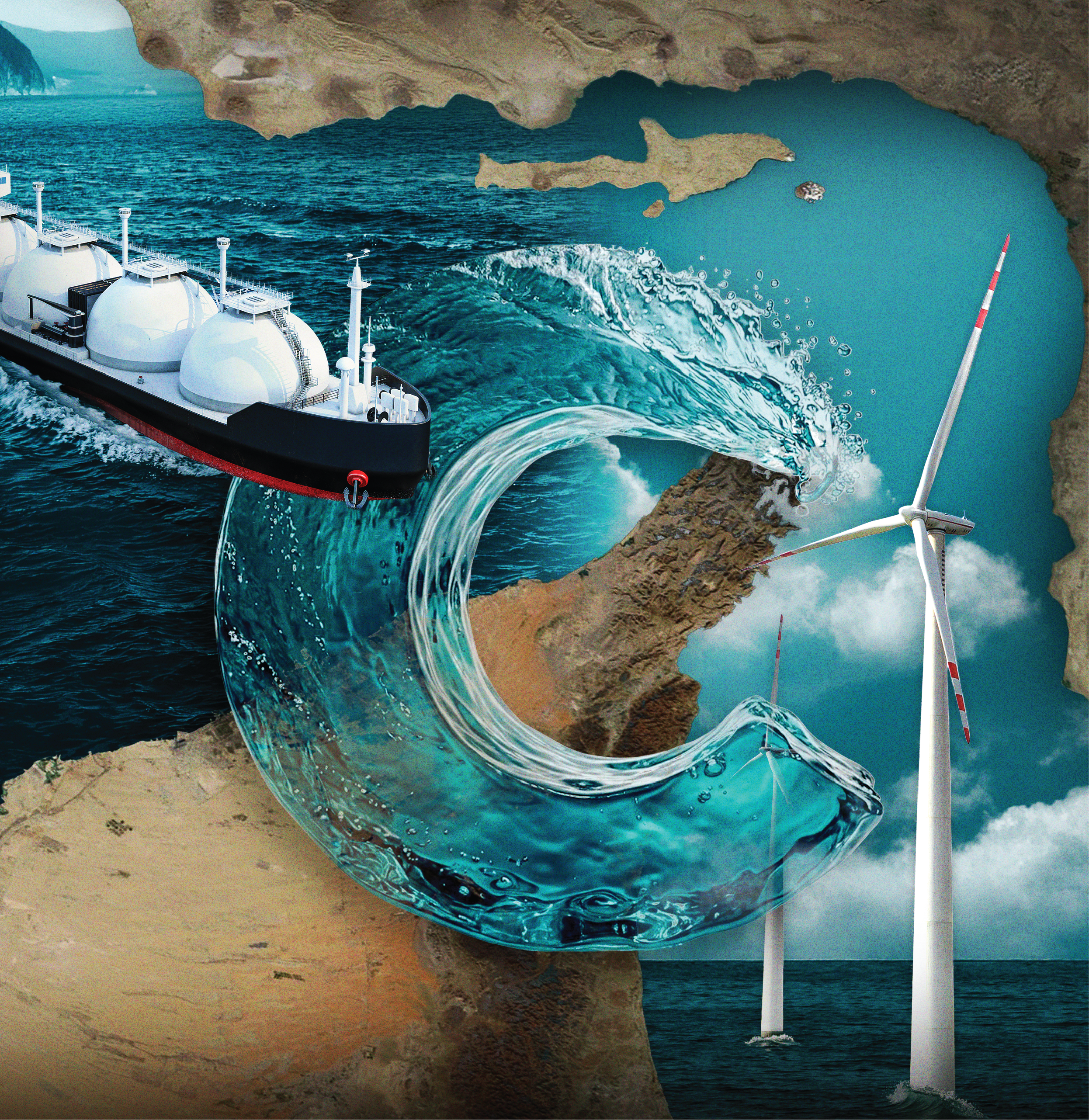
Recurring Crisis, Delayed Transition: From Fossil Fuel Dependence to Energy Independence
2026-03-18
Buried But Not Hidden: Addressing Methane Emissions From Korea's Regional Landfills
2026-02-20
The Changing Legal Landscape for LNG Shipping Expansion
2026-01-08
Why LNG Reduction Matters: Redefining Energy Security and Unlocking Economic Gains
2025-12-08
No Budget, No Cuts: Budget and Methane Reduction Impact Analysis for Achieving 78% Low-Methane Feed Supply Target
2025-12-03
South Korea’s Export Credit Finance in Transition: National Economic Impacts of the Global Shift from Fossil Fuels to Clean Energy
2025-11-16
Exposed: Overcompensation of KEPCO's Coal Fired Power Plants
2025-11-10
Supplementary Brief: South Korea's Exposure to Shipping Stranded Asset Risks
2025-10-26
Mobilizing Finance for Korea's Coal Phase-Out: What International Experience Shows
2025-10-20
No Budget, No Cuts: Agriculture’s 2030 NDC Targets at Risk
2025-09-16
VPPs: The Key to Korea's Transition to a Renewable Energy-Based Power System
2025-08-28
Bridge to Nowhere: The Doomed Fate of Korea's LNG Terminals
2025-08-19
Speed Bumps on the Renewable Energy Highway: Minimum Generation Levels of Thermal Power Plants
2025-08-05
Unlocking Solutions: The Social Benefits of Reducing Methane Emissions from South Korea’s Energy Imports
2025-07-30
Assessment of Opportunities for Implementing a Methane Import Standard in South Korea
2025-06-30

No Room for More: Why LNG Carriers Are a Climate and Financial Risk
2025-05-13

From Manure to Methane: Uncovering Hidden Emissions in Livestock Manure Treatment
2025-04-28

Analyzing Korea’s 2035 NDC GHG Emissions Reduction Pathway through an Integrated Assessment Model
2025-04-23

Capitalizing on Coal: How Global Investors and Underwriters Enable KEPCO to Abandon the Sustainability Path
2025-03-20

Moving Away from Coal: 2025 POSCO Holdings Climate Risk
2025-03-17

A Sleeping Giant? The National Pension Service’s Missed Potential on Climate Action
2025-03-11

Missing points of “South Korea’s East Sea Blue Whale Project”
2025-01-08

Socio-economic Impacts of Energy Transition in Chungcheongnam-do
2024-12-18

Korea's Upstream Challenge: Mitigating Global Methane Emissions
2024-11-15

Ensuring Korea’s Methane Mitigation Efforts are 1.5-degree Aligned
2024-11-11

Extending the Lifespan of Gwangyang No.2 Blast Furnace: A Backward Step for Carbon Neutrality
2024-10-28

Still Adrift: Updated assessment of the global energy transition's impact on the LNG shipbuilding industry
2024-10-14

EU Methane Import Standard: Policy Implications for South Korea
2024-09-09

Billions Off Course: Japan's Oil and Gas Financing Fueling the Climate Crisis
2024-09-05

Floating Doubt: The Risks of FSRUs in Expanding Methane Gas
2024-09-03

Methane Leaks from Buried Food Waste
2024-07-31

LNG運搬船: 世界のガス取引を拡大させる海上パイプライン ――影の推進者を明らかにする
2024-06-12

Three Unseen Flaws of the Boryeong Blue Hydrogen Project in South Korea
2024-05-26

Threat of Toxic Substances: Increased Particulate Matter and Health Hazards from Ammonia Co-firing
2024-05-22

Boom and Bust Coal 2024
2024-04-17
![[Brief] South Korea’s international public finance continues to block a just energy transition](https://content.sfoc.tapahalab.com/images/research/RC5Kime.jpg)
[Brief] South Korea’s international public finance continues to block a just energy transition
2024-04-02

Total Turmoil: Unveiling South Korea's Stake in Mozambique's Climate and Humanitarian Crisis
2024-01-29

LNG Carriers: The Floating Pipeline Powering Global Gas Expansion - Unveiling its Hidden Enablers
2023-11-27

Industry Trends Brief No.2 - Unmasking the Hidden Culprit Beyond CO2: Methane
2023-05-31

High and dry:The global energy transition's looming impact on the LNG and oil shipbuilding industry
2023-05-24

Betting on a Sinking Ship: Banks Behind the Barossa Gas Field’s FPSO
2023-04-18
![[Report] Methane Reduction Strategies and Regulations in South Korea: Current Issues and Policy Recommendations](https://content.sfoc.tapahalab.com/images/research/xxJgdme.jpg)
[Report] Methane Reduction Strategies and Regulations in South Korea: Current Issues and Policy Recommendations
2023-02-22

Unveiling Fossil Greenwashing: Hidden Emissions of Korea's Hydrogen Scheme
2022-09-13
![[토론회] 한국형 녹색분류체계(K-Taxonomy), 무엇이 녹색경제활동인가](https://content.sfoc.tapahalab.com/images/research/bn8jdme.jpg)
[토론회] 한국형 녹색분류체계(K-Taxonomy), 무엇이 녹색경제활동인가
2021-11-23
![[이슈 브리프] 탄소포집, 이용 및 저장기술(CCUS) 현황과 문제점](https://content.sfoc.tapahalab.com/images/research/SWESdme.jpg)
[이슈 브리프] 탄소포집, 이용 및 저장기술(CCUS) 현황과 문제점
2021-11-03

KR-DE Road to 2050 : Financing Clean Energy Transition
2021-09-28
![[이슈 브리프] 탈석탄 투자 가이드라인](https://content.sfoc.tapahalab.com/images/research/tJRidme.jpg)
[이슈 브리프] 탈석탄 투자 가이드라인
2021-09-13
![[이슈 브리프] 신설 석탄발전소 가치평가 결과와 시사점](https://content.sfoc.tapahalab.com/images/research/nQCGime.jpg)
[이슈 브리프] 신설 석탄발전소 가치평가 결과와 시사점
2021-09-06

Fueling the Climate Crisis_South Korea's Public Financing for Oil and Gas
2021-08-31

Employment opportunities from a coal-to-renewables transition in South Korea
2021-07-28


